Biz People Learn to Unlock Creativity From Artists by Aaron Dalton

I’m delighted to announce that Americans for the Arts has just published The pARTnership Movement essay Foster Critical Thinking featuring the case study on the McColl Center for Art + Innovation.
By Aaron Dalton

Here is a direct link to the Foster Critical Thinking essay – http://www.partnershipmovement.org/upload/web-files/other/pARTnership_CriticalThinking.pdf

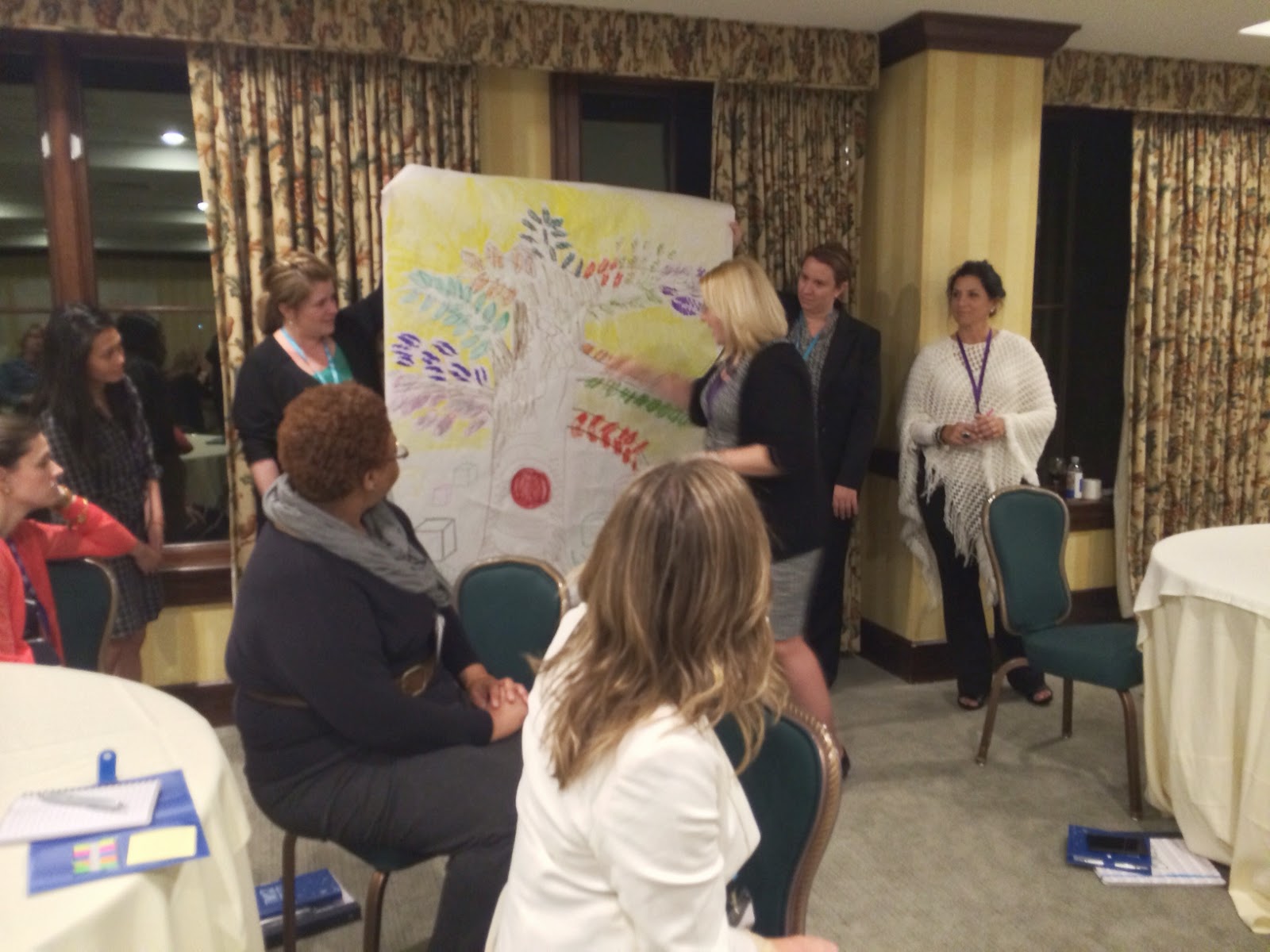
 According to the 2008 Ready to Innovate report by The Conference Board, Americans for the Arts, and the American Association of School Administrators 97% of U.S. business executives agree that creativity is becoming more important in the workplace, 85% of U.S. executives looking to hire creative people say they cannot find enough qualified applicants and 61% of U.S. executives say that employers have the responsibility to instill creativity in the workforce. Learn how can companies encourage creativity among their employees in order to drive innovation in our pARTnership Movement essay.

Imagining Home at the Baltimore Museum of Art

Imagining Home

Baltimore Museum of Art, Maryland

From October 25, 2015 — June 1, 2018

The inaugural exhibition for the BMA’s new Center for People & Art brings together more than 30 works from across the BMA’s collection to explore the universal theme of home.

Nest, Laredo, Texas, Susan Harbage Page

Including:

Arrivals & Departures: Objects that show a world of constant transformation and movement include Alfred Stieglitz’s Steerage (1907) photograph of passengers boarding a ship, Susan Harbage Page’s Hiding Place No. 3, Laredo, Texas (2011) large scale photograph of a temporary shelter for someone crossing the U.S./Mexican border, and an ancient Nayarit Model House (c. 200 A.D.) created for the afterlife.

http://artbma.org/exhibitions/imagining-home

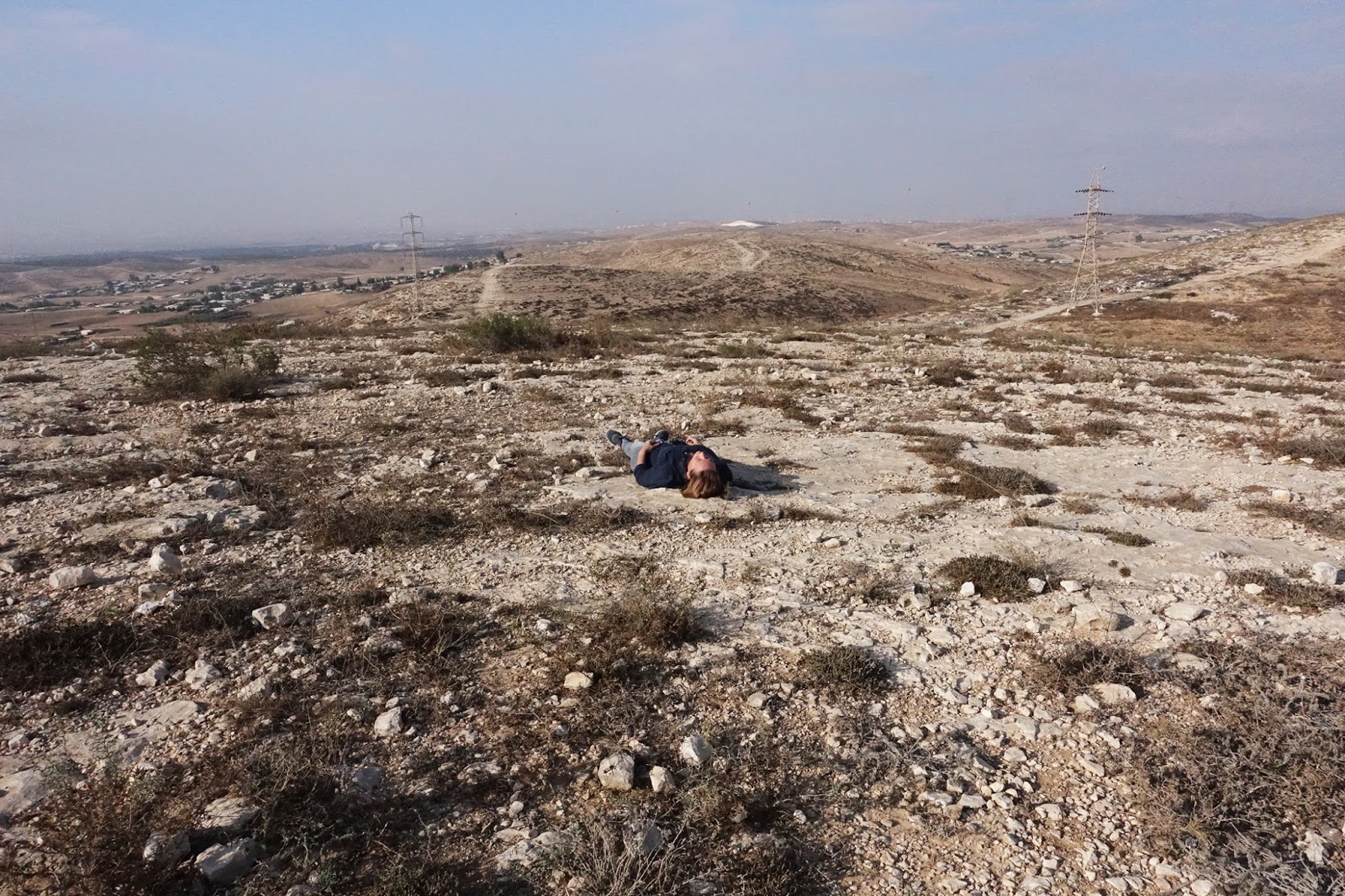
Return to the Negev Desert

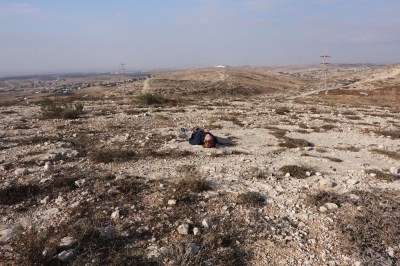
A Small Protest, Lakiya, Negev Desert, 2015, Susan Harbage Page

<!– /* Font Definitions */ @font-face {font-family:Arial; panose-1:2 11 6 4 2 2 2 2 2 4; mso-font-charset:0; mso-generic-font-family:auto; mso-font-pitch:variable; mso-font-signature:-536859905 -1073711037 9 0 511 0;} @font-face {font-family:Arial; panose-1:2 11 6 4 2 2 2 2 2 4; mso-font-charset:0; mso-generic-font-family:auto; mso-font-pitch:variable; mso-font-signature:-536859905 -1073711037 9 0 511 0;} /* Style Definitions */ p.MsoNormal, li.MsoNormal, div.MsoNormal {mso-style-unhide:no; mso-style-qformat:yes; mso-style-parent:""; margin:0in; margin-bottom:.0001pt; mso-pagination:widow-orphan; font-size:12.0pt; font-family:Arial; mso-fareast-font-family:"Times New Roman";} .MsoChpDefault {mso-style-type:export-only; mso-default-props:yes; font-size:10.0pt; mso-ansi-font-size:10.0pt; mso-bidi-font-size:10.0pt;} @page WordSection1 {size:8.5in 11.0in; margin:1.0in 1.25in 1.0in 1.25in; mso-header-margin:.5in; mso-footer-margin:.5in; mso-paper-source:0;} div.WordSection1 {page:WordSection1;}

–>

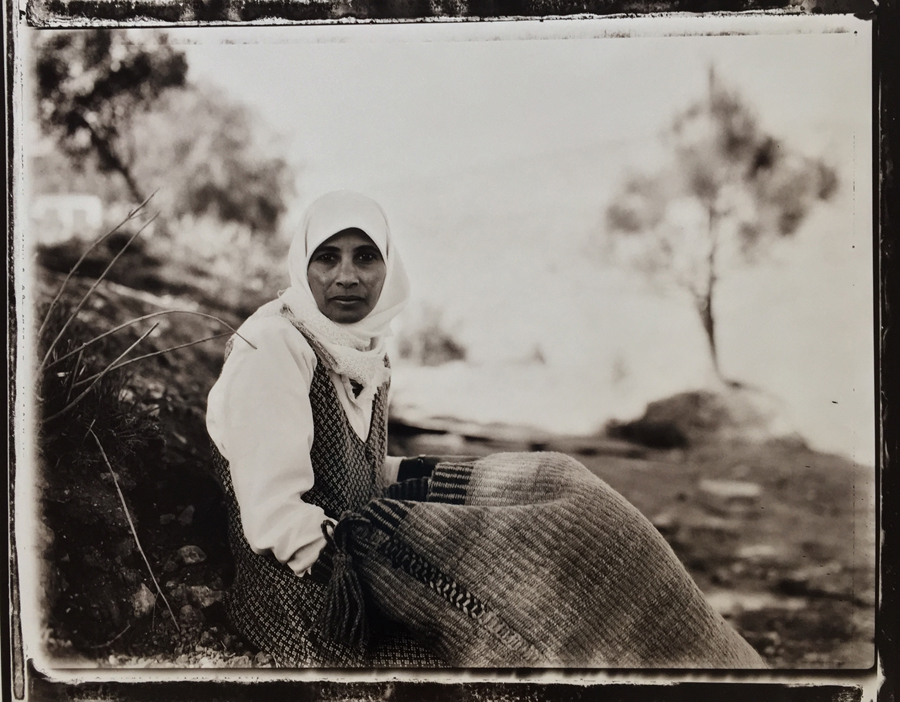
In 1996 I spent two months making audio recordings and photographs with women weavers in Lakiya, Israel, a community “officially” founded in 1985 as part of an Israeli government project to stabilize Bedouins in permanent settlements. My work explored issues of belonging, empowerment, community, religion, and borders. It was a remarkable opportunity. Now, nearly twenty years later,  I returned to Lakiya for a community celebration earlier this month. Returning to this village allowed me to experience and document the many changes in housing, the status of women, access to clean water and labor that have occurred in this border community.
 
My first visit to Lakiya was supported by a fellowship from the North Carolina Arts Council. My collection of photographs of the women’s weaving project from that visit in 1996 was titled “Almost Invisible.” The pictures were exhibited across the state at the Asheville Museum of Art, in Charlotte at The Light Factory Photographic Arts Center, in Greenville at East Carolina University, and in Raleigh at North Carolina State University. These photographs have also been collected by museums across the county including the Baltimore Museum of Art, Maryland and the High Museum of Art, Atlanta. My photographs from the project were awarded second prize in the Bernice Abbott International Competition for Women in Documentary Photography and selected for publication in 2000 in Women in Documentary Photography Now.  

Here’s a photo from 1996. And the photo above is a small protest I did in support of the Bedouin Community and how they have been treated.

Zenab Al’Sannah, Lakiya, Negev Desert, 1996, Susan Harbage Page


Diversity Matters

Diversity Matters

Monday, July 20
Carolinas HealthCare System’s Office of Diversity and Inclusion hosted a moderated conversation at the McColl Center as part of its First Responder Series, which explores issues “that threaten to disrupt or adversely impact trust and the emotional health of our community.” Last night’s topic was Diversity Matters: The Charleston 9 – Confederate Battle Flag.

 <img alt="" height="240" src="data:
Moderated by CHS Chief Diversity Officer Dr. James Taylor, the conversation featured distinguished speakers followed by segments of open forum with the audience. Speakers included:
Susan Harbage Page, a visual artist whose work explores immigration, race, gender and nation
Debbie Dills and Todd Frady, the florist from Shelby who spotted Charleston shooter Dylann Roof, and her boss who was on the phone with her as she raced 80mph behind Roof to capture his tag number for police, which led to his arrest
Senator Malcolm Graham, District 40 representative in the North Carolina Senate whose sister Cynthia Hurd was murdered by Dylann Roof at Emanuel African Methodist Episcopal Church in Charleston
Tom Hanchett, staff historian at the Levine Museum of the New South and revered as “the keeper of Charlotte’s past“


http://www.charlotteagenda.com/10505/diversity-matters-a-community-dialogue-about-the-charleston-9-and-the-confederate-flag/

Twist Conference for Women in Leadership – Mccoll School of Buisness

Relationship-Driven Leadership: People, Networks and Community

Tapping into the natural ability of women to engage the workforce and boost the bottom-line.

Conference March 25 – 27, 2015

A Conference with a TWIST –
TWIST Is not your usual conference with concurrent tracks, breakout sessions, and big anonymous hotel ballrooms. The TWIST Conference for Women in Leadership causes powerful change. Join a diverse group of high potential women leaders and superb faculty members from the McColl School of Business for the TWIST Conference.

Susan Harbage Page – <!– /* Font Definitions */ @font-face {font-family:Times; panose-1:2 0 5 0 0 0 0 0 0 0; mso-font-charset:0; mso-generic-font-family:auto; mso-font-pitch:variable; mso-font-signature:3 0 0 0 1 0;} @font-face {font-family:Times; panose-1:2 0 5 0 0 0 0 0 0 0; mso-font-charset:0; mso-generic-font-family:auto; mso-font-pitch:variable; mso-font-signature:3 0 0 0 1 0;} /* Style Definitions */ p.MsoNormal, li.MsoNormal, div.MsoNormal {mso-style-unhide:no; mso-style-qformat:yes; mso-style-parent:""; margin:0in; margin-bottom:.0001pt; mso-pagination:widow-orphan; font-size:12.0pt; mso-bidi-font-size:10.0pt; font-family:Times; mso-fareast-font-family:Times; mso-bidi-font-family:"Times New Roman";} .MsoChpDefault {mso-style-type:export-only; mso-default-props:yes; font-size:10.0pt; mso-ansi-font-size:10.0pt; mso-bidi-font-size:10.0pt; font-family:Times; mso-ascii-font-family:Times; mso-fareast-font-family:Times; mso-hansi-font-family:Times;} @page WordSection1 {size:8.5in 11.0in; margin:1.0in 1.25in 1.0in 1.25in; mso-header-margin:.5in; mso-footer-margin:.5in; mso-paper-source:0;} div.WordSection1 {page:WordSection1;}Session on Artistic Exploration of Borders and Assumptions with the  Innovation Institute

McColl School of Business, Queens University, Charlotte, North Carolina, March 26

Anti-Archive fromt he U.S.–Mexico Border Project

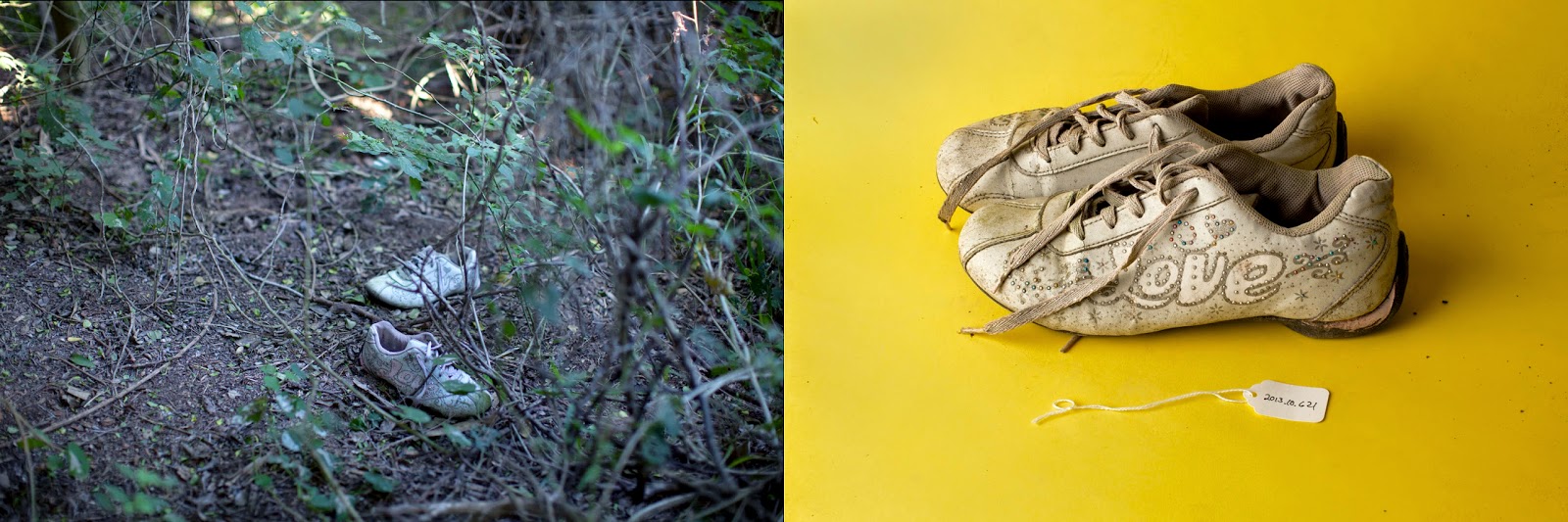
Love Shoes, Hidalgo, Texas, December 2013, Anti Archive
from the U.S._Mexico Border Project, Susan Harbage Page

<!– /* Font Definitions */ @font-face {font-family:"MS 明朝"; panose-1:0 0 0 0 0 0 0 0 0 0; mso-font-charset:128; mso-generic-font-family:roman; mso-font-format:other; mso-font-pitch:fixed; mso-font-signature:1 134676480 16 0 131072 0;} @font-face {font-family:"MS 明朝"; panose-1:0 0 0 0 0 0 0 0 0 0; mso-font-charset:128; mso-generic-font-family:roman; mso-font-format:other; mso-font-pitch:fixed; mso-font-signature:1 134676480 16 0 131072 0;} @font-face {font-family:Cambria; panose-1:2 4 5 3 5 4 6 3 2 4; mso-font-charset:0; mso-generic-font-family:auto; mso-font-pitch:variable; mso-font-signature:3 0 0 0 1 0;} /* Style Definitions */ p.MsoNormal, li.MsoNormal, div.MsoNormal {mso-style-unhide:no; mso-style-qformat:yes; mso-style-parent:""; margin:0in; margin-bottom:.0001pt; mso-pagination:widow-orphan; font-size:12.0pt; font-family:Cambria; mso-fareast-font-family:"MS 明朝"; mso-bidi-font-family:"Times New Roman";} .MsoChpDefault {mso-style-type:export-only; mso-default-props:yes; font-size:10.0pt; mso-ansi-font-size:10.0pt; mso-bidi-font-size:10.0pt; font-family:Cambria; mso-ascii-font-family:Cambria; mso-fareast-font-family:"MS 明朝"; mso-hansi-font-family:Cambria;} @page WordSection1 {size:8.5in 11.0in; margin:1.0in 1.25in 1.0in 1.25in; mso-header-margin:.5in; mso-footer-margin:.5in; mso-paper-source:0;} div.WordSection1 {page:WordSection1;}

For eight years I have documented and collected objects from the U.S.–Mexico Border, creating an “Anti-Archive” that challenges who is worthy of documentation, attention, and remembrance. My work on the border—a geopolitical flash point in which contested bodies (race), contested statuses (refugee vs. “illegal”), and contested histories are bound together—is a witnessing that serves its purpose only if others witness it in turn.

In 2007 I began making yearly trips/pilgrimages to photograph objects left behind by undocumented migrants crossing the U.S–Mexico border between Matamoros, Mexico, and Brownsville, Texas, and west to Laredo and Eagle Pass, Texas. As Gloria Anzaldua says in her groundbreaking book Borderlands La Frontera: The New Mestiza, “The U.S.–Mexican border es una herida abierta where the Third World grates against the first and bleeds. And before a scab forms it hemorrhages again, the life blood of two worlds merging to form a third country—a border culture” (p. 25). This Border Culture and the space in-between is central to this project, which takes an ever-evolving imagined space and concretizes it as a collection of specific objects, first as they are found in the landscape, then as they are archived, and, finally, as they are united in exhibitions. 
Susan Harbage Page 


Opening Reception: Light 4 – Celebrating Four Years Friday, February 13, 2015 6:00pm 9:00pm

Opening Reception: Light 4 – Celebrating Four Years

  • Friday, February 13, 2015
  • 6:00pm 9:00pm
  • Join us for the opening reception of a show celebrating Light’s 4th Anniversary! Featuring work by Katherine Armacost, Béatrice Coron, Lynda Curry, Jimmy Fountain, Marguerite Jay Gignoux, Roger Haile, Susan Harbage Paige, Kaola Phoenix, and Leigh Suggs. Show runs through Saturday, March 21st.
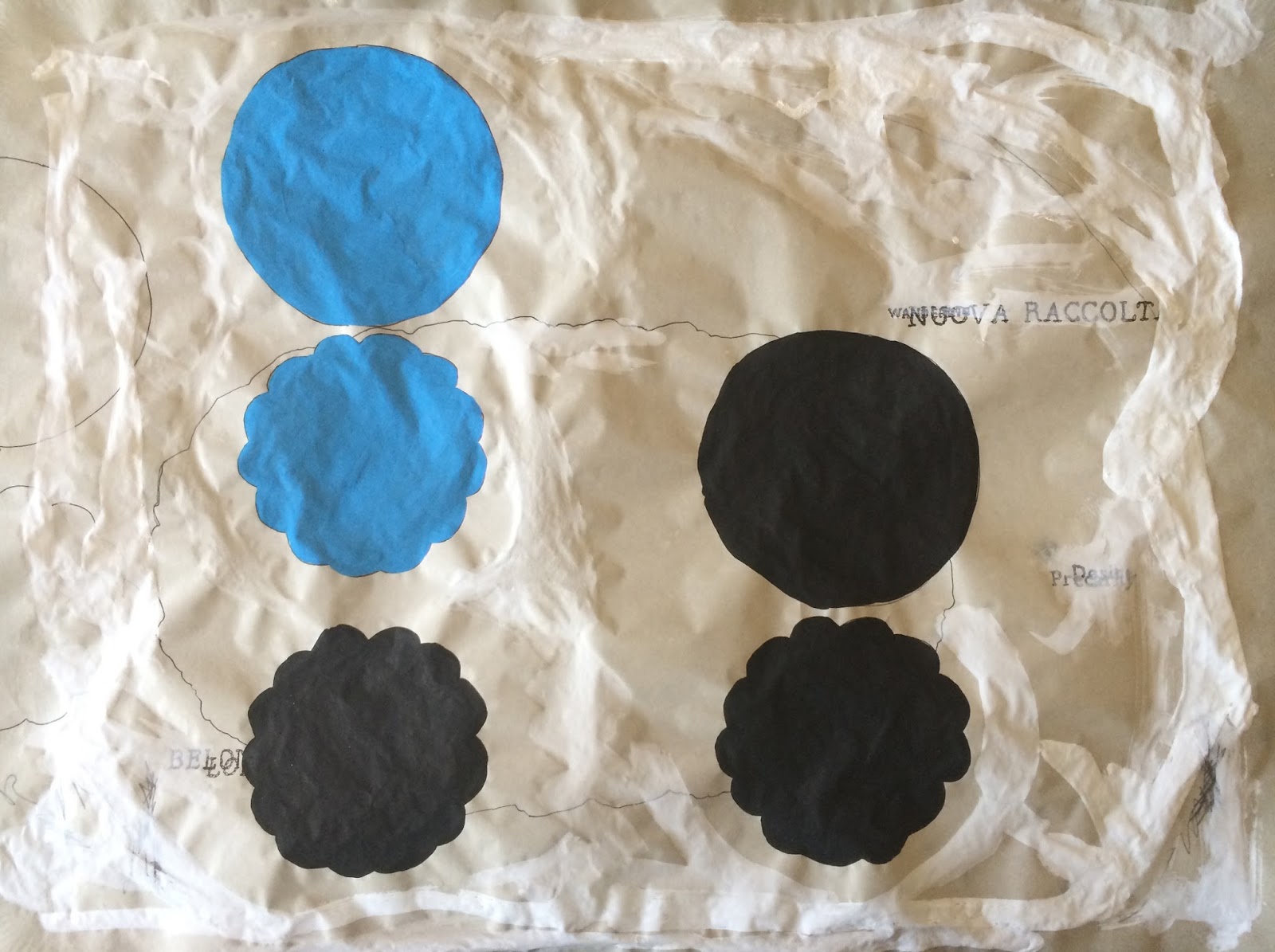
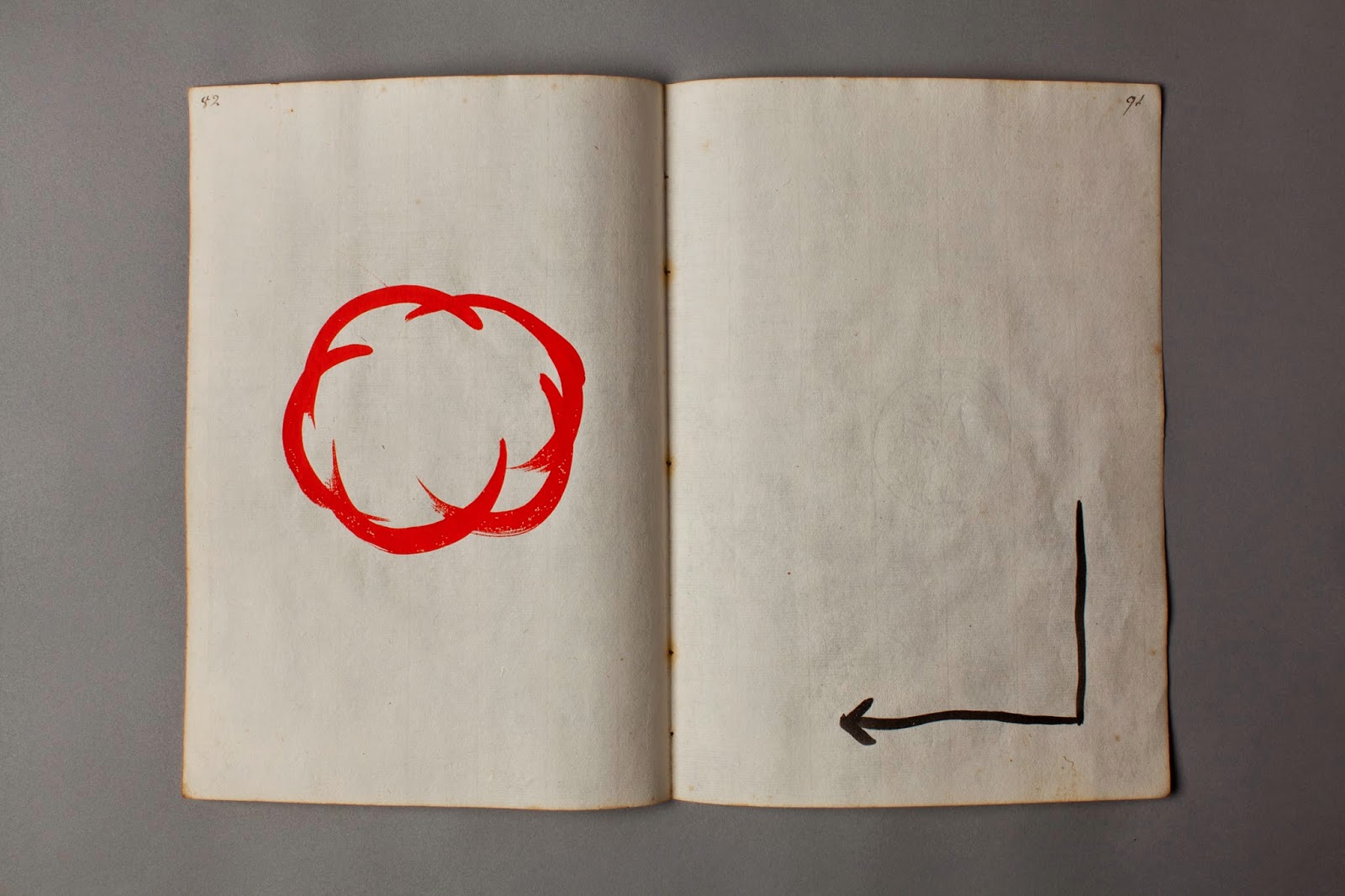
Nuove Considerazioni, Guache on Antique Italian Paper, 2014, Susan Harbage Page

Exhibition at Light Art + Design
http://www.lightartdesign.com/upcoming-events/