Here & Now: 80 years of Photography at the Mint Museum in Charlotte

Here and Now: 80 Years of Photography at the Mint Museum in Charlotte to open April 16, 2016
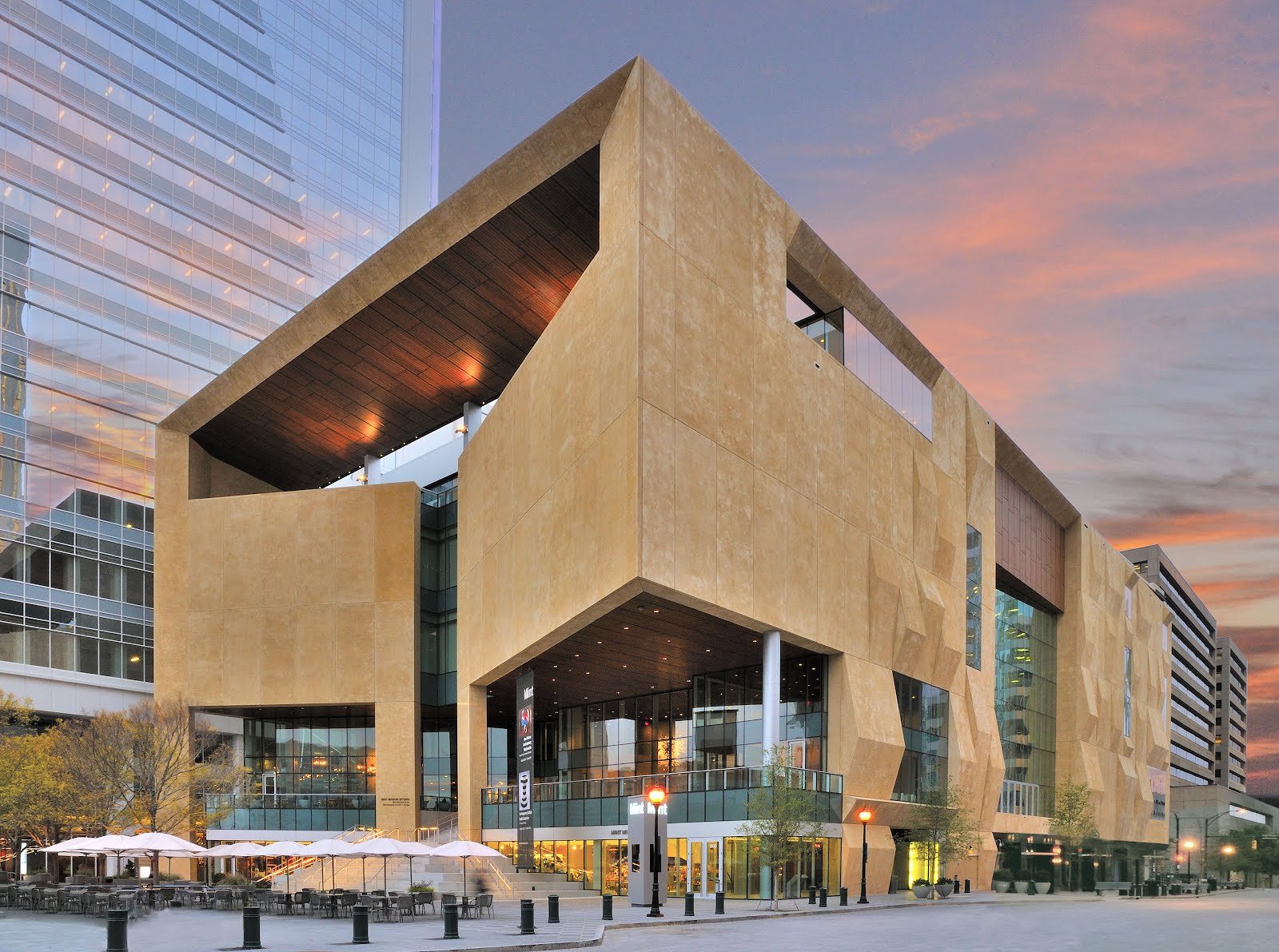
This exhibition has recently come down but I was just informed an image they own of mine from the 90’s was included along with works by William Eggleston, Ansel Adams, and Bernice Abbott. If I can find an image of it I will post it here.

April 07, 2016

Exhibition continues the Mint’s “year of the collection”

The first survey exhibition of photography drawn solely from the Mint’s permanent collection, Here & Now: 80 Years of Photography at the Mint, will open April 16 at Mint Museum Uptown, offering a fresh perspective on a growing area of strength for the museum.
“As a photohistorian, it has been a delight to comb through the museum’s photographic holdings, discovering treasures and unexpected surprises along the way,” said Dr. Kathleen V.  Jameson, President & CEO of the Mint, who personally curated the exhibition. “Here & Now will provide visitors the same exciting journey not only into the diverse landscape of photography but also with a focused view into the development of the Mint’s collection over the course of its history.”
Most of the works in the Mint’s collection were produced after the founding of the museum in 1936, 80 years ago. While relatively modest in scale, the Mint’s collection boasts exceptional photographs taken around this time by such noted masters as Berenice Abbott and Ansel Adams as well as those taken in the last few years by dynamic contemporary photographers. Global in scope, the Mint’s collection and this exhibition feature works by artists with local and regional roots, including William Eggleston, Sonia Handelman Meyer, and Linda Foard Roberts.
The photography collection ranges from conceptually-based works to those rooted in such genres as landscape, portraiture, and architectural photography. Underlying the infinite differences in style, method, and subject matter is a unity specific to photography—its overarching ability to capture a particular moment in time—to suspend the present in a way that allows us to understand meaning across great distances of time and space.
By its nature, photography has always been a medium rooted in the moment. It began around 1836, nearly the same time period as the founding of the first branch of the United States Mint in Charlotte – later transformed into The Mint Museum when it opened to the public on October 22, 1936.
“From photography’s roots to today, photographic images compel viewers like no other medium,” said Jameson. “As we are increasingly inundated with visual images, many of which are manipulated in some way, there has never been a better time to examine the power of photographic images. Here & Now speaks to concerns that have long been at the core of photographic practice, as well as its most recent developments, shining new light on the issues that are relevant to life in the here and now.”
Seeing Saying: Images and Words

Excited to be in this exhibition with some very fine artists -Shimon Attie, John Baldessari, Mark Bradford, Cris Bruch, Andrea Eis, Teresita Fernández, Howard Finster, Christian Marclay, Shirin Neshat, Dennis Oppenheim, Susan Harbage Page, José Parlá, Dan Perjovschi, Raymond Pettibon, Santiago Sierra, Hank Willis Thomas, and David Wojnarowicz.

Charlotte peeps. I will be at the opening on the 20th. Hope to see you there. Also giving a short gallery talk on October 20. #t

WILLIAM H. VAN EVERY GALLERY
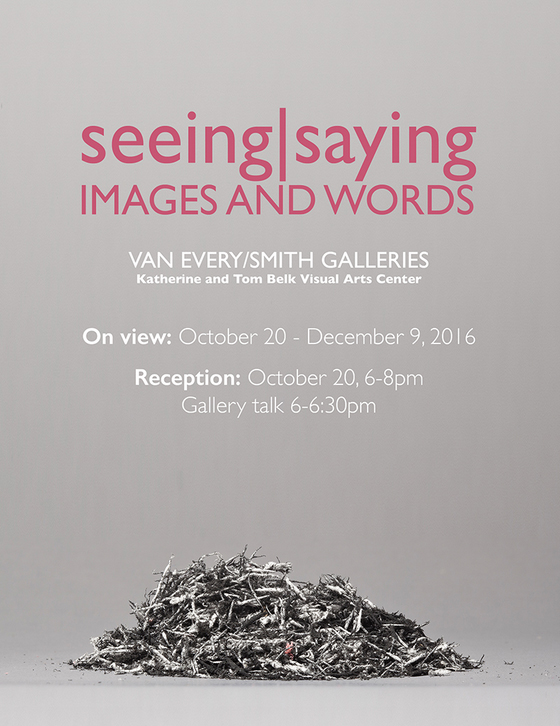
Seeing|Saying: Images and Words

A strict binary has long existed between the contrasting effects of words and images. Words have been thought to be foundational, while images have been considered subordinate.  Words have been valued as rhetorically primary, while images have been thought of as illustrative. But such bifurcation seems to artists and writers alike both constraining and unrealistic. How might the communicative and aesthetic status of words and images be profitably studied together? How do images and texts cooperate in single works of art as modalities in tension or unison? Seeing|Saying: Images and Words assembles important contemporary works that experiment with this combination of words and images from 18 artists: Shimon Attie, John Baldessari, Mark Bradford, Cris Bruch, Andrea Eis, Teresita Fernández, Howard Finster, Christian Marclay, Shirin Neshat, Dennis Oppenheim, Susan Harbage Page, José Parlá, Dan Perjovschi, Raymond Pettibon, Santiago Sierra, Hank Willis Thomas, and David Wojnarowicz in the Van Every Gallery, and Bethany Collins in the Smith Gallery. The works presented in the exhibition invite us to question the image-word divide, and remind us of our current saturation—digitally and materially—in images with words.


Seeeing|Saing: Images and Words
at Davidson College, Davidson, North Carolina


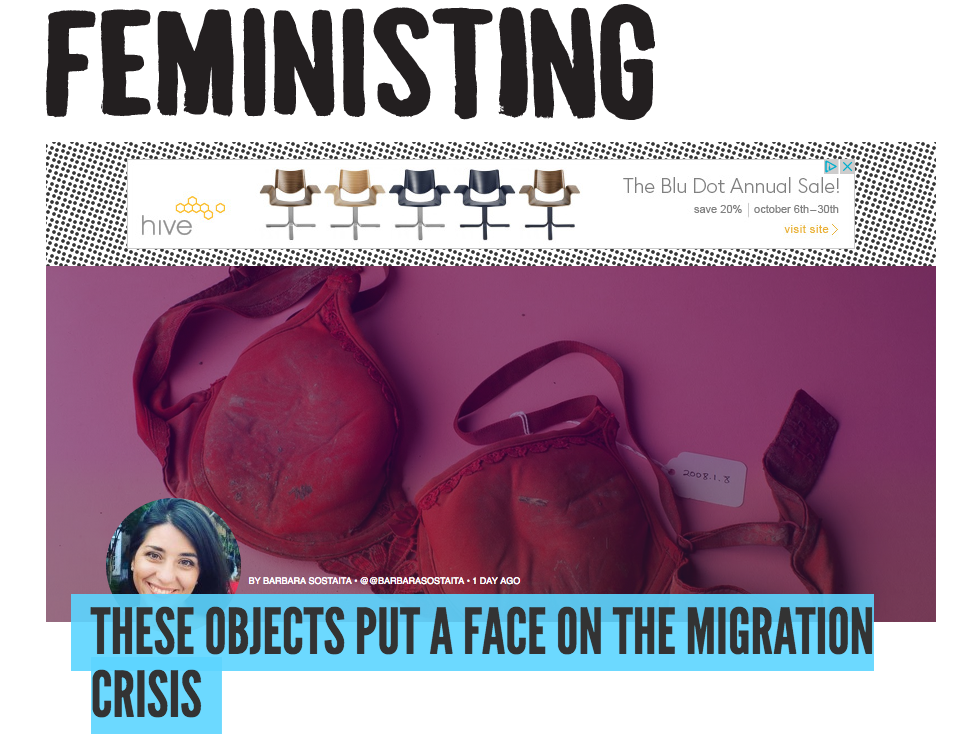
Feministing.com

http://feministing.com/2016/10/05/these-objects-put-a-face-on-the-migration-crisis/

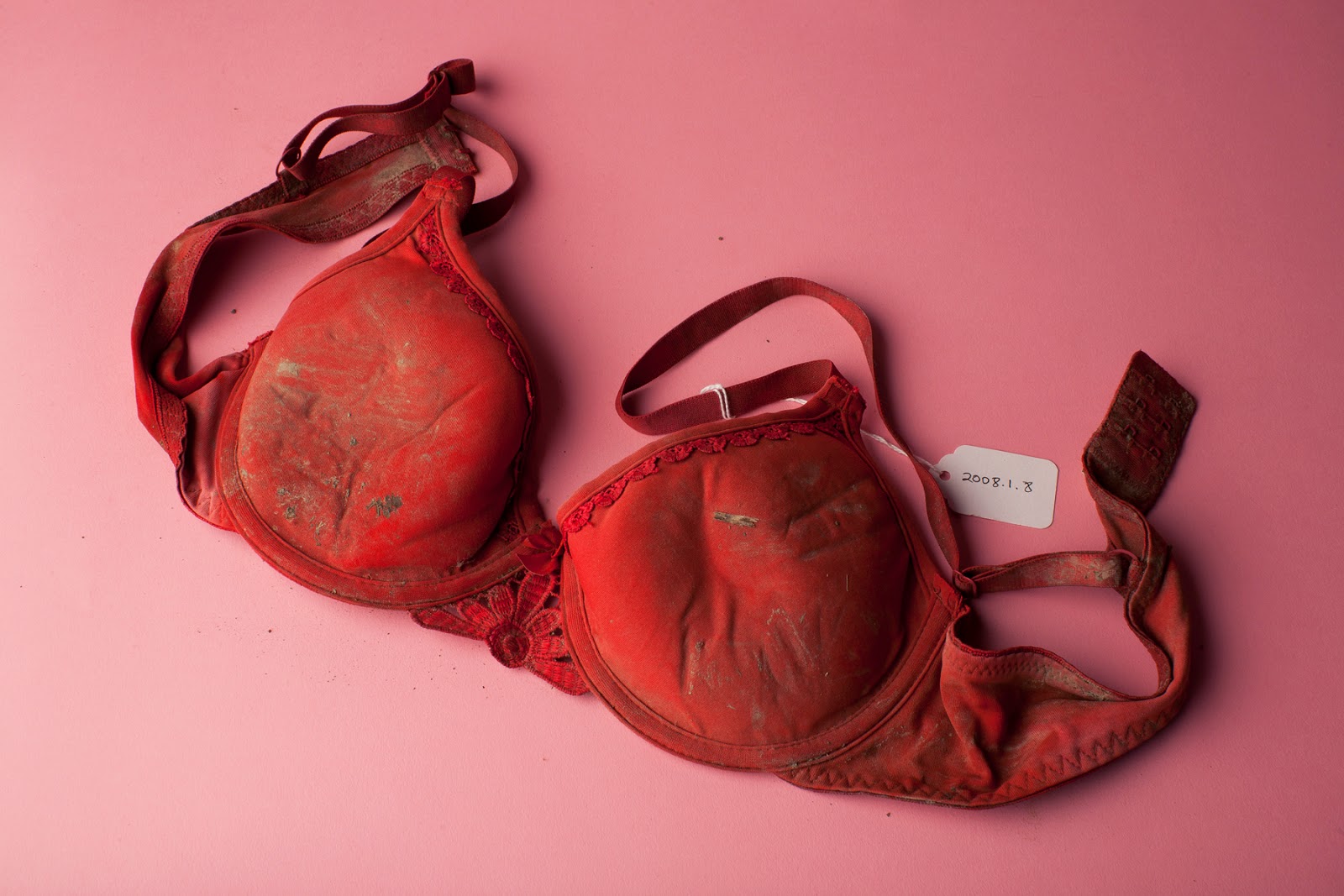
Red Bra from the U.S.–Mexico Border Anti-Archive by Susan Harbage Page

Objects from the Borderlands – U.S.-Mexico Border Anti-Archive

Thanks to Barbara Sostaita for featuring this on Feministing.com

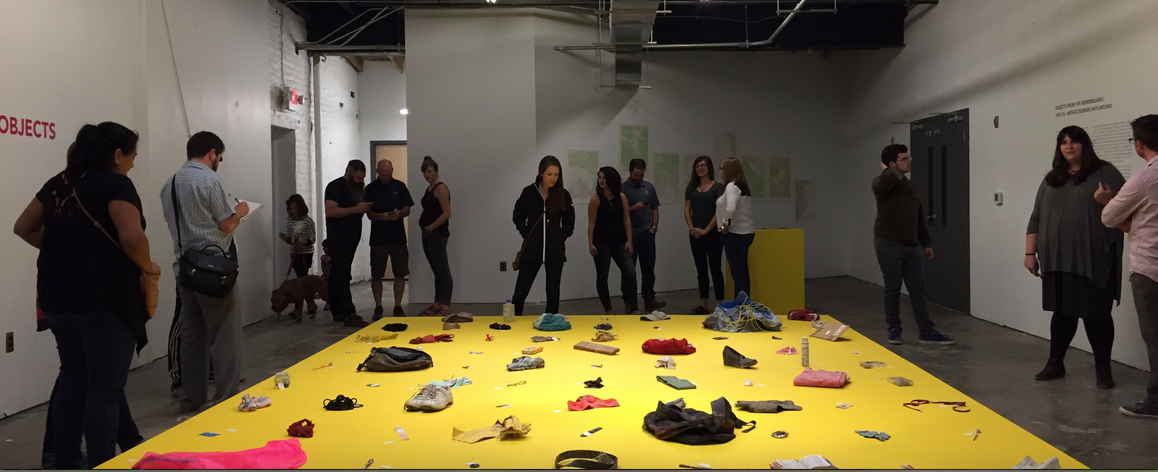
I recently attended an exhibition featuring the work of University of North Carolina professor and visual artist Susan Harbage Page. Since 2007, Page has made yearly pilgrimages to the Texas – Mexico border to collect objects left behind by migrants, which she has now compiled into her exhibit, Objects from the Borderlands: The U.S.-Mexico Anti-Archive. The collection is made up of 867 objects including toothbrushes, shoes, backpacks, ID cards, and small Bibles, all meant to remind the viewer of the human face behind the politics of the U.S. immigration debate. 
Most striking to me were the objects that evoked the experiences of female border-crossers. Items on display included toiletries such as hair spray, a hairbrush, lipstick, and eyeshadow, painting a picture of women determined to maintain a semblance of the ordinary in the face of extreme insecurity and danger. By evoking the daily routines and pleasures of so many women, these objects remind us that while we hear about the Mexico – U.S. border as a place imbued with the power to give and take away a person’s humanity, crossing it feels as natural and simple as combing your hair in the middle of the desert. Humans have migrated as long as they’ve been able to walk – and no white guy yelling in a suit can change that fact.
But unfortunately, geopolitics can make that most natural border crossing extremely dangerous, particularly for women. A bra can remind us how treacherous the crossing can be. Bras found hanging from trees, the artist notes, are supposedly left by coyotes to mark that a woman had been raped there, sadly a very common occurrence. According to a 2014 Fusion Investigation, 80% of Central American girls and women crossing Mexico en route to the United States are raped. In fact, the threat of rape is so prevalent that many women migrants receive preventative contraceptive injections before embarking on their journey.
Women are not only extremely likely to experience sexual assault, they are also more likely than men to die during their migratory journeys, due in part to sexism on the part of coyotes, who are quick to abandon women and children when they can’t keep up. Pregnant women are even more at risk.
The rise in the number of female migrants is what Carlota Ramírez, Mar García Domínguez, and Julia Míguez Morais refer to as “the feminization of international migration.”  Today, Latinas are increasingly leaving their families behind in Latin America to care for others as domestic laborers in the United States. Neoliberal structural adjustment policies introduced by the North American Free Trade Agreement (NAFTA) – which I have written about previously – are also pushing women to migrate at higher rates than ever. O’Leary argues these policies have contributed to the feminization of poverty, where women represent a disproportionate percentage of the developing world’s poor, another push factor for female migrants. Both the rise in female migrants who travel alone and the cyclical nature of migration increase the chances that women will experience multiple apprehensions by Border Patrol and be victims of multiple incidents of violence.
The Anti-Archive, while speaking to the violent and traumatic nature of the border-crossing, also crafts an alternative narrative. While Page has come across border-crossers during her pilgrimages, and has seen many people chained and detained by border patrol, she does not take photos or document these people. Instead, she collects and photographs objects. Muddied, dirty, and rancid, these are often the only remaining physical traces of a person’s presence in the borderlands. They reveal much about the individual’s identity: who they are, what matters to them, what they chose to bring along with them, and what they were forced to give up before crossing over into “the land of opportunity.” Not simply a story about victimization and dehumanization; this is a story about survival and creativity.

Passaggi di memoria/Steps of Memory

Two terrific curators, Elisabetta Portoghese Bastianelli e Manuela De Leonardis, have put together an exhibition for the fourth edition of the Castelnuovo Photography Festival in the vicinity of Rome. Passagi di memoria/Steps of Memory is a large wall installation of photographs chosen for their subjective-emotional components rather than for a theme or category of time. The wall references more than twenty years of photographic history and encounters with artists by the curators. The work functions like “pieces of memory/pezzi di memoria”.

You can locate more information here.
http://www.castelnuovofotografia.it/mostre/passaggi-di-memoriasteps-of-memory/

The Exhibition is open October 1, 2, and 9, 2016

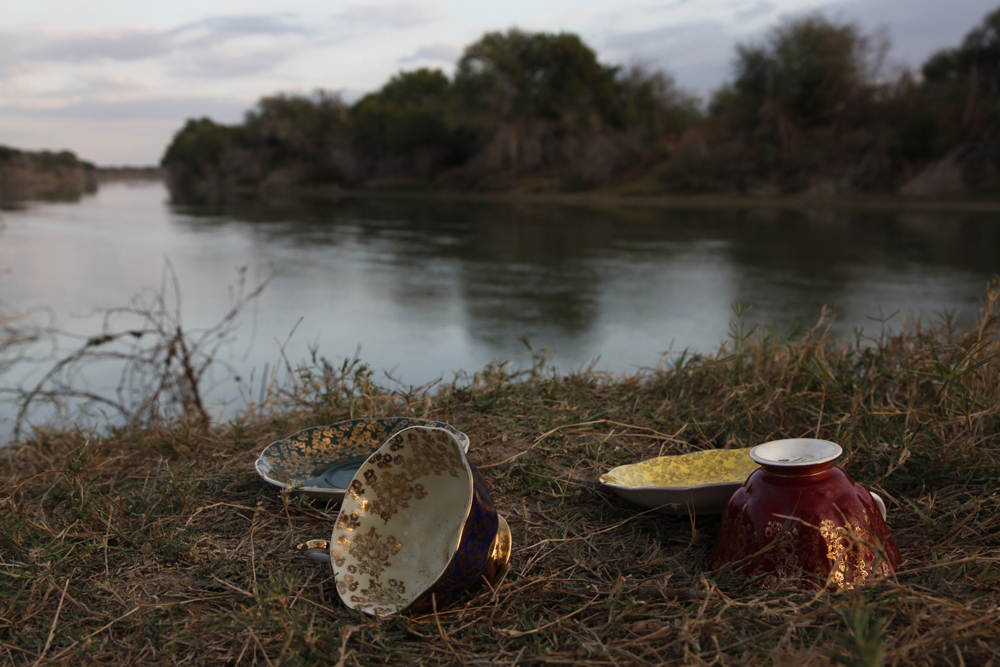
My contribution is a photograph made on the U.S.–Mexico Border “My Mother’s Teacups.”

My Mother’s Teacups explores immigration via my own English ancestry. By photographing family heirlooms—teacups my mother brought from England to Ohio in 1969 and then to North Carolina when my family migrated South—along the banks of the Rio Grande near McAllen, Texas, I addressed my own and other U.S. citizens’ history of immigration. The teacups inherently symbolize and embody issues of race, class, heritage, mobility, and nationality. They question the willingness of individuals to lay claim to U.S. citizenship and privilege, disregarding their family’s immigration from other countries such as Italy, Ireland, or Poland just two or three generations ago.

Concepito per Castelnuovo Fotografia, Passaggi di memoria/Steps of Memory è una sorta di album fotografico indisciplinato. Si presenta come una grande installazione a parete di una cinquantina di fotografie scelte secondo criteri legati alla componente soggettivo-emotiva, più che dal riferimento a categorie tematiche o temporali. Così come non sono uniformi né il formato delle foto, né le tecniche (polaroid, stampe a colori e in bianco e nero, viraggi in seppia…) e neppure le cornici (quando sono presenti).
Immagini fotografiche – come pezzi di memoria – in alcuni casi del tutto anonime, che raccontano incontri significativi che hanno segnato rispettivamente il percorso ultraventennale, personale e professionale, di Elisabetta Portoghese, Marco Bastianelli e Manuela De Leonardis. Percorsi che, casualmente, s’intercettano più volte.
Icone autorevoli come il ritratto di Pier Paolo Pasolini con la mamma Susanna, fotografati da Sandro Becchetti nel 1971 o la coppia Marina Abramović-Ulay di cui Mario Carbone documenta la performance Imponderabilia (1977), durante la settimana internazionale della Performance alla Galleria d’Arte Moderna di Bologna, sono immagini che appartengono alla cultura del Novecento. Così come quelle di Tony Vaccaro, Piergiorgio Branzi, Vittorugo Contino, Vasco Ascolini.
Altrettanto significativo il ritratto di Lolita Lebron, pasionaria dell’indipendenza portoricana, scattato dal fotoreporter Jim Mahan, a Washington D.C. nel 1954: la didascalia sul retro riporta “terrorista in tribunale con il rosario e il libro di preghiera
Concettuali, visionarie, realistiche, romantiche, architettoniche… le foto di: Andrea Attardi,Vasco Ascolini, Alessandra Baldoni, A Rahman,Sandro Becchetti, Ivano Bolondi, Carmelo Bongiorno, Paolo Buggiani, Massimiliano Camellini, Mario Carbone, Fabrizio Ceccardi, Franco Cenci, Anna Maria Colucci (Samagra), Vittorugo Contino, Karmen Corak, Rocco De Benedictis, Augusto de Luca, Simona Filippini, Susan Harbage Page, Reiko Hiramatsu, Dino Lorusso, Jim Mahan, Maimouna Guerresi, Giulia Marchi, Alessandro Martinelli, Patrizia Molinari, Mitsuko Nagone, Yasuhiro Ogawa, Guido Orsini, Giuseppe Pappalardo, Valentina Parisi, Virginia Ryan, Jack Sal, Paolo Simonazzi, Giuliana Traverso,Tony Vaccaro.
Elisabetta Portoghese Bastianelli e Manuela De Leonardis

LEADERS UNDER 40 – Community Building Initiative

Leaders Under 40 – Connecting Across Difference to Lead & Serve. 

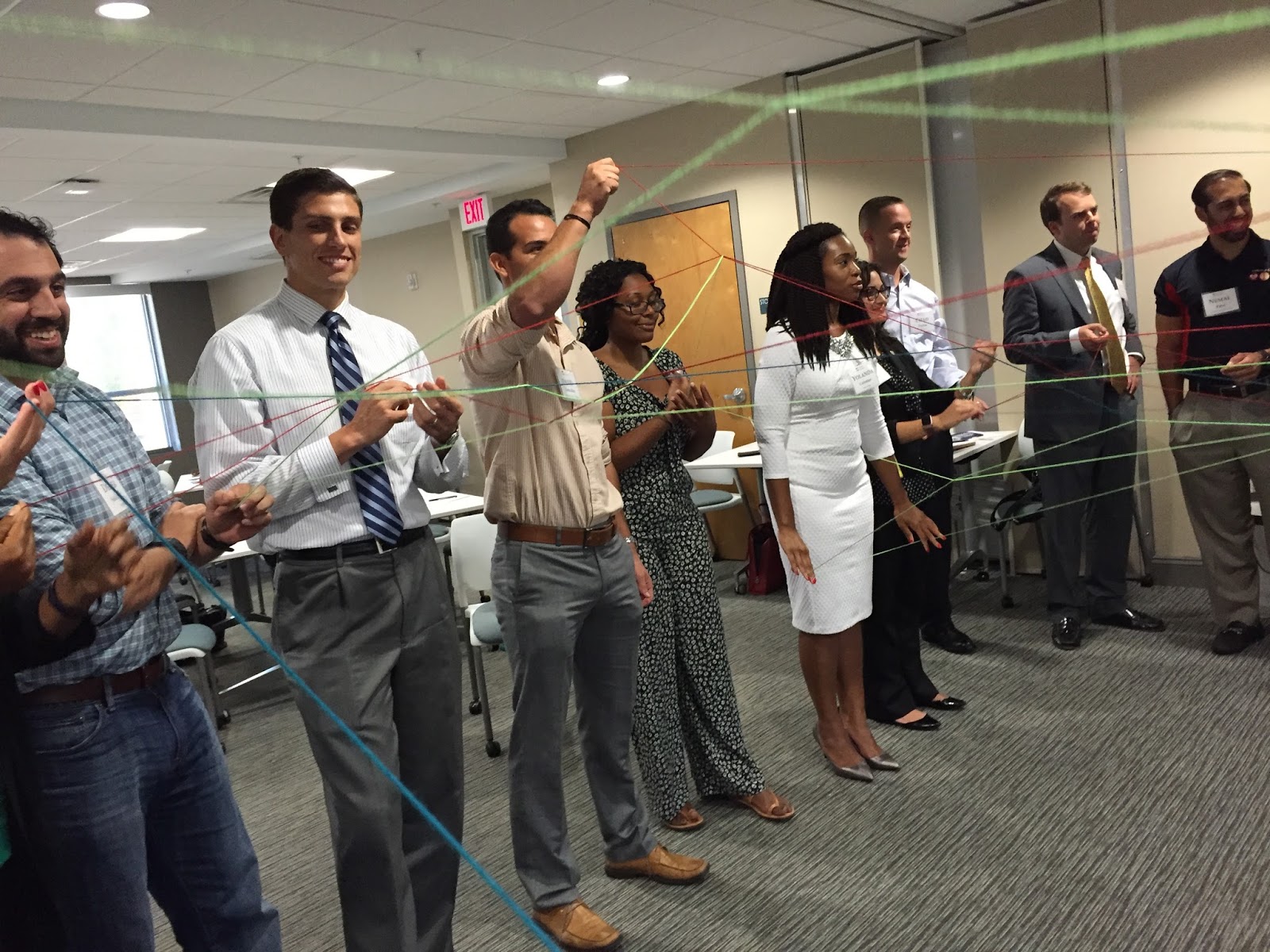
I was fortunate to lead a session last month (August 26) with a fantastic group from the Community Building Initiative’s “Leadership Under 40” program. Here we are visualizing and parsing out privilege and intersectionality in our worlds.

Community Building Initiative
As part of Community Building Initiative’s mission to increase the capacity and commitment of individuals and organizations to work for change, CBI itself is committed to convening groups of leaders interested in creating a more just, more inclusive community.

Objects from the Borderlands at Greensboro Project Space

Objects from the Borderlands: The U.S.-Mexico Border Anti-Archive

10 YEARS / 867 OBJECTS

September 2nd – October 1st

First Friday Opening
Friday, September 2nd, 6pm – 9pm

“Stacked” Art Opening Receptions
Saturday, September 17th, 5pm – 8pm
Celebrate the opening of two activist art shows. Begin at Bennett College to see Peace and Restoration for Self-Determination by Shani Peters (artist remarks at 6pm), then take a complimentary shuttle to GPS to view the exhibition by Susan Harbage Page (artist remarks at 7pm).

The ordinary objects people leave behind as they cross the border from Mexico into the United States—a toothbrush, a worn bible, or a pair of child’s shoes—are powerful symbols of a difficult journey. 165,000 immigrants entered the U.S. via Mexico in 2014 and Guilford County is among the country’s fastest growing regions for Hispanic/Latino populations.
Since 2007, artist Susan Harbage Page has walked the border annually along the Rio Grande/Rio Bravo between Texas and Mexico, stretching from Brownsville/Matamoros to Eagle Pass/Piedras Negras. She has collected almost a thousand objects and made countless photos in this space inbetween, preserving the memory of the journey and the archeology of the space in an “anti-archive of human trauma.” Objects from the Borderlands honors the human experience and reminds us that behind every immigration statistic or census figure, there is an individual. Objects and photographs from Page’s collection are paired with local residents’ stories of their journey from Mexico to Greensboro. This exhibition will be on view at Greensboro Project Space, UNC Greensboro’s new downtown contemporary art gallery.

For more information click here.

http://www.greensboroprojectspace.com/past-projects/susan-harbage-page