Notable Essay of 2010

Crazy in Love named a Notable Essay of 2010 by the editor of  Best American Essays.
The Massachusetts Review, Crazy in Love, article by Cynthia Lewis, photography by Susan Harbage Page, Volume, LI, #1, Amherst, Massachusetts, Spring 2010, ISSN 0025-4878

Who’s Doing The Looking?

 
 Art Over Lunch


“Who’s Doing the Looking?”: Contemporary Photography by Weegee, Goldin, and Mann
A Talk by Susan Harbage Page


Wednesday, November 2nd, 12:00-1:00 PM
Ackland Art Museum, The University of North Carolina at Chapel Hill


Bring a bag lunch and enjoy an hour of inspiration and information about art currently on display in the Ackland exhibition Carolina Collects: 150 Years of Modern and Contemporary Art from Alumni Collections.


Susan Harbage Page is a studio art instructor in photography and mixed media at The University of North Carolina at Chapel Hill, and is affiliated faculty in the Department of Women’s Studies. She is a three-time winner of the North Carolina Arts Council Visual Artist Fellowship.


Free to members and UNC OneCard holders
$5 non-members

http://www.ackland.org

The Border Project: New Work by Susan Harbage Page, by Matt Zigler

In the first part of T.H. White’s classic book, The Once and Future King, the young Arthur, known as the Wart, is turned into a goose by Merlyn as a part of his education.  A young female is schooling him on what it means to be a goose: 

‘Do you all come here from different places?’
‘Well in parties of course.   There are some here from Siberia, some from Lapland and I can see one or two from Iceland.
‘But don’t they fight each other for the pasture?’
‘Dear me, you are a silly,’ she said.   ‘There are no boundaries among geese.’
‘What are boundaries, please?’
‘Imaginary lines on the earth, I suppose.   How can you have boundaries if you fly?   Those ants of yours — and the humans too — would have to stop fighting in the end, if they took to the air.’
‘I like fighting,’ said the Wart.   ‘It is knightly.’
‘Because you’re a baby.’
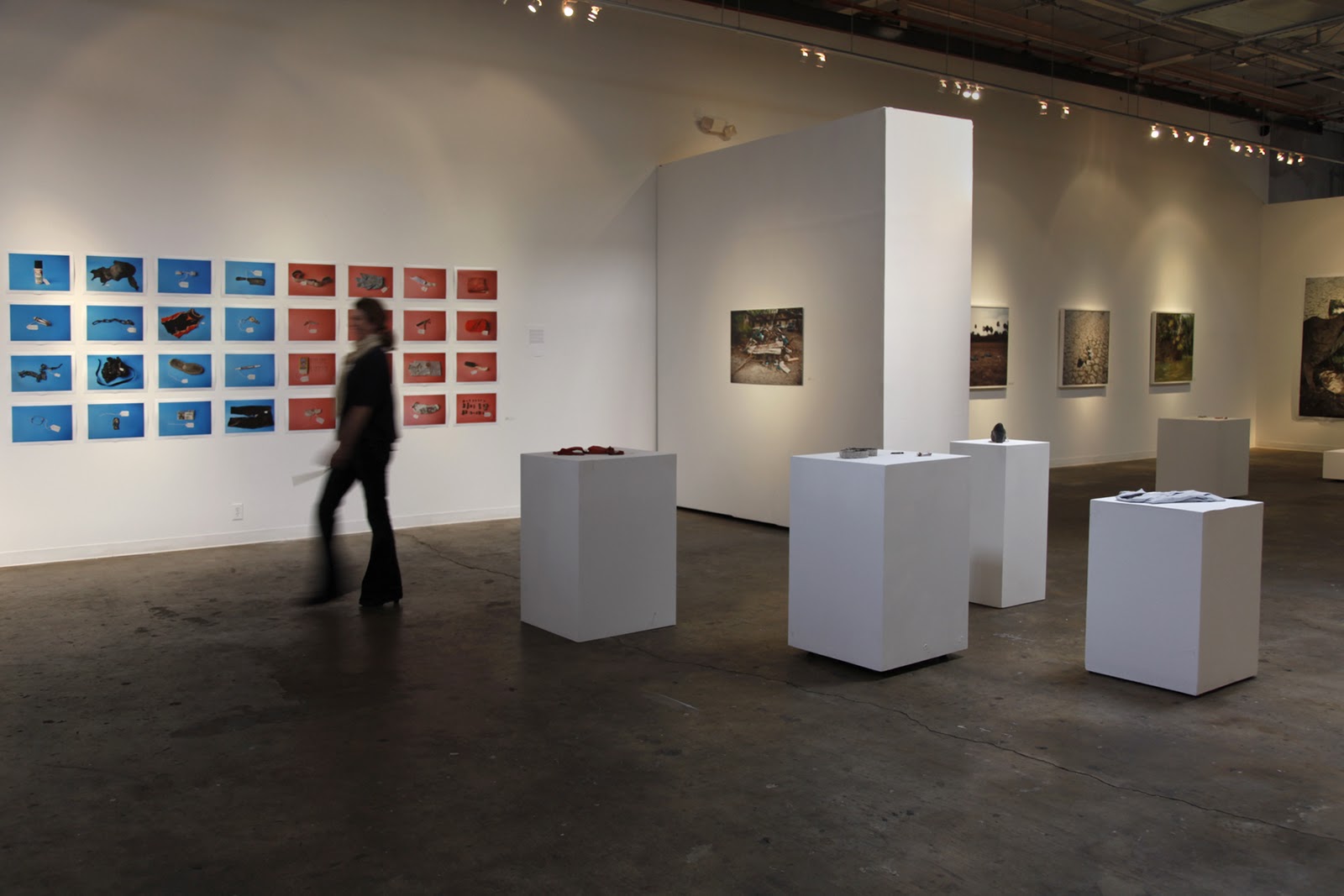
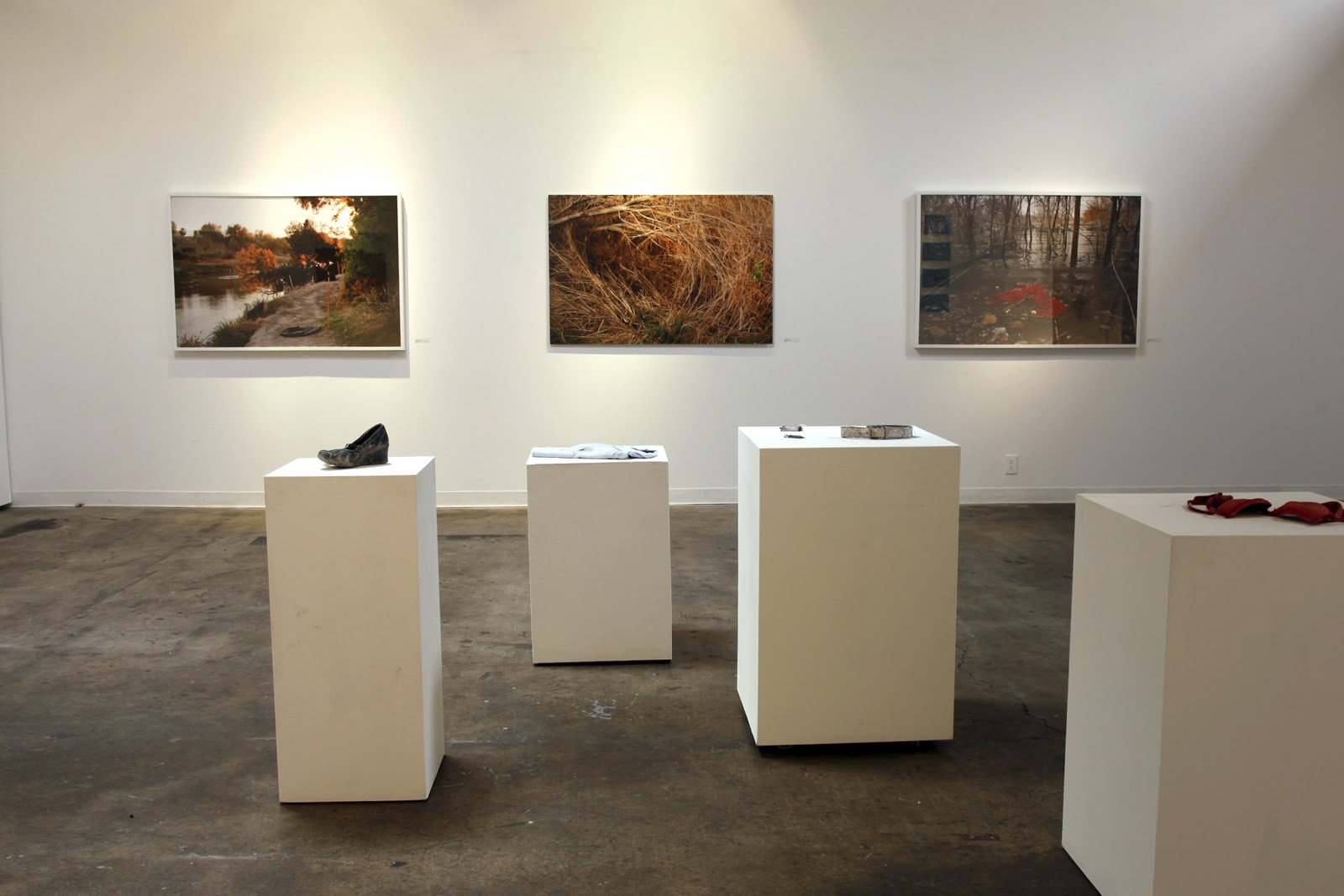
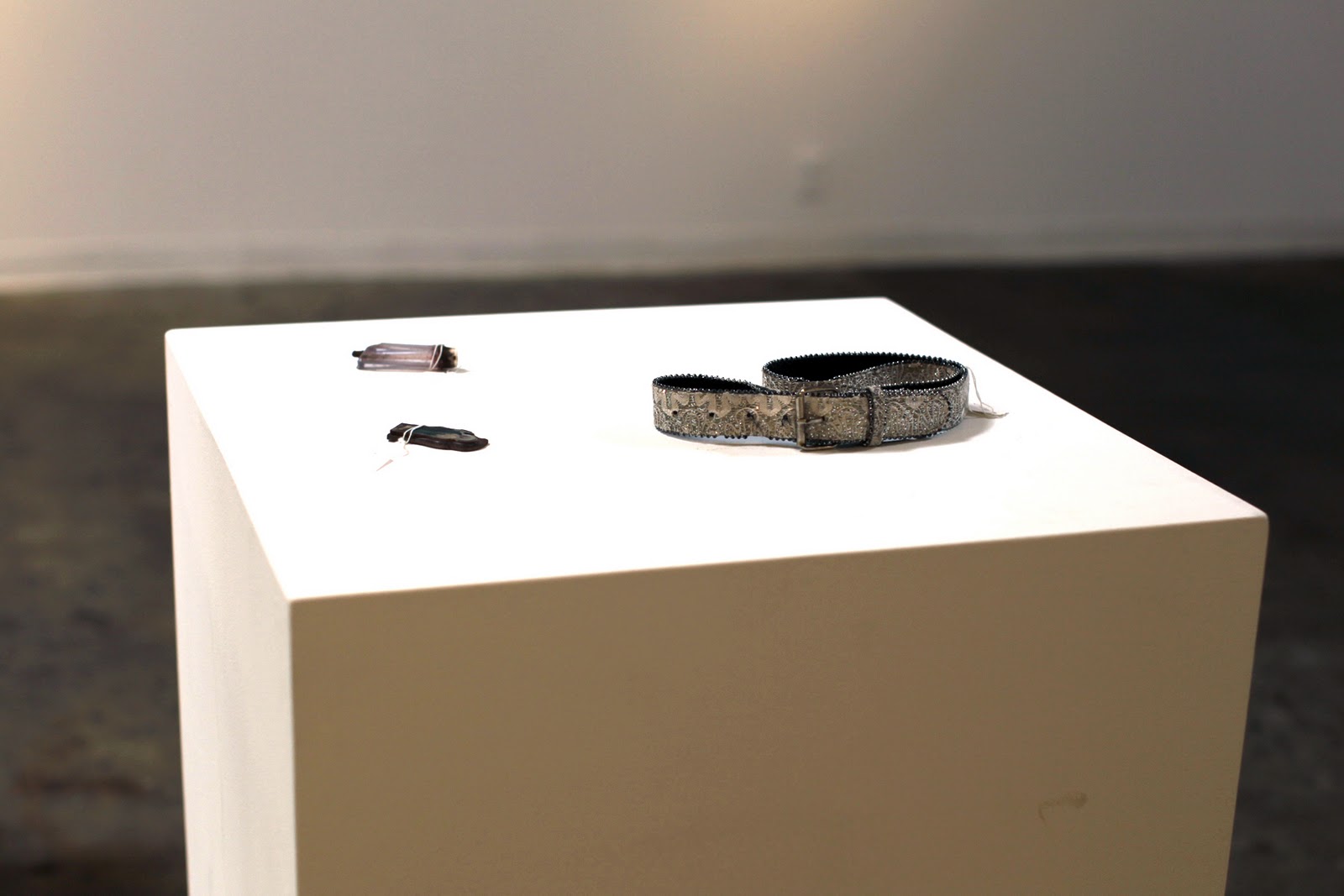
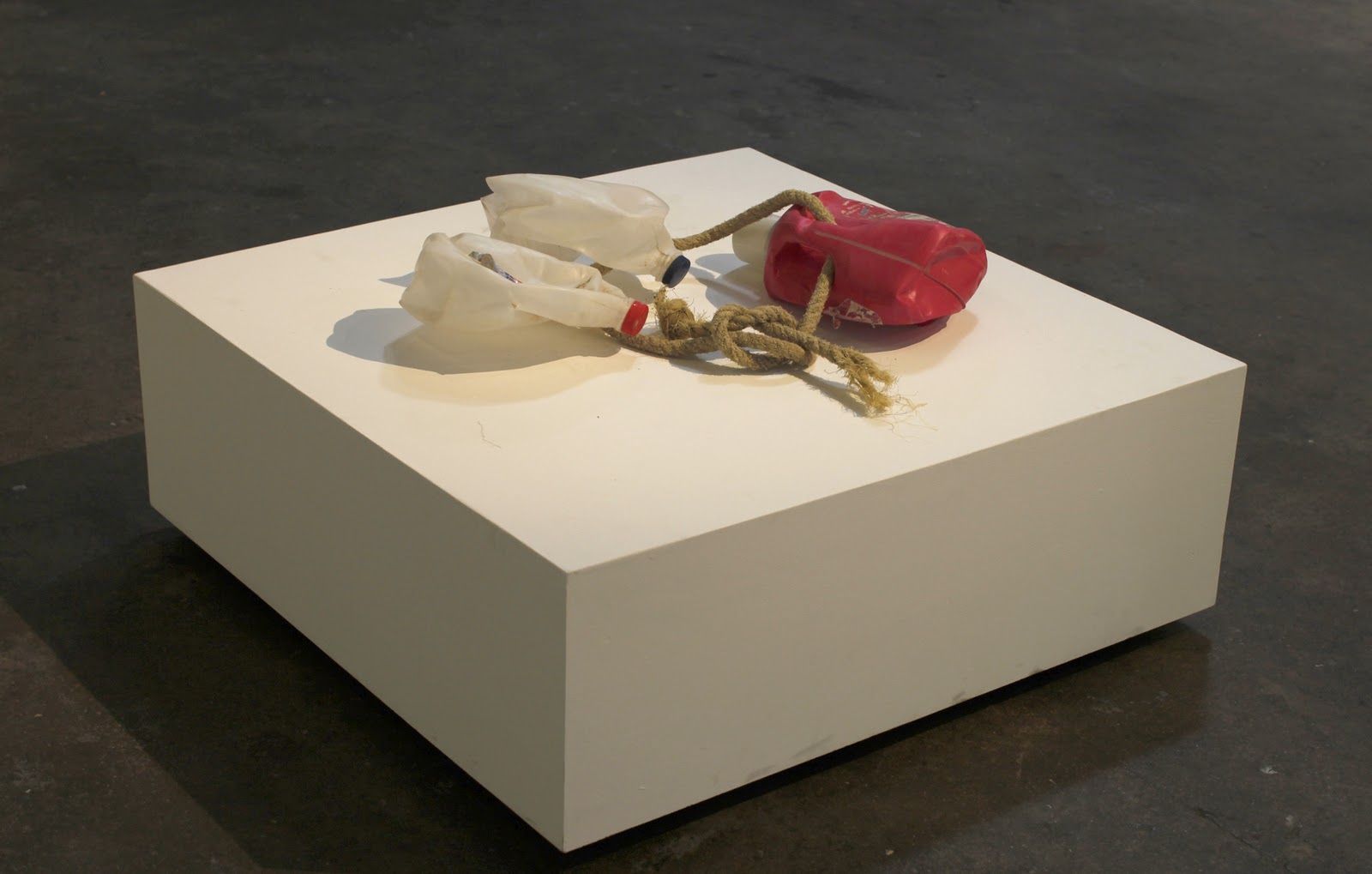
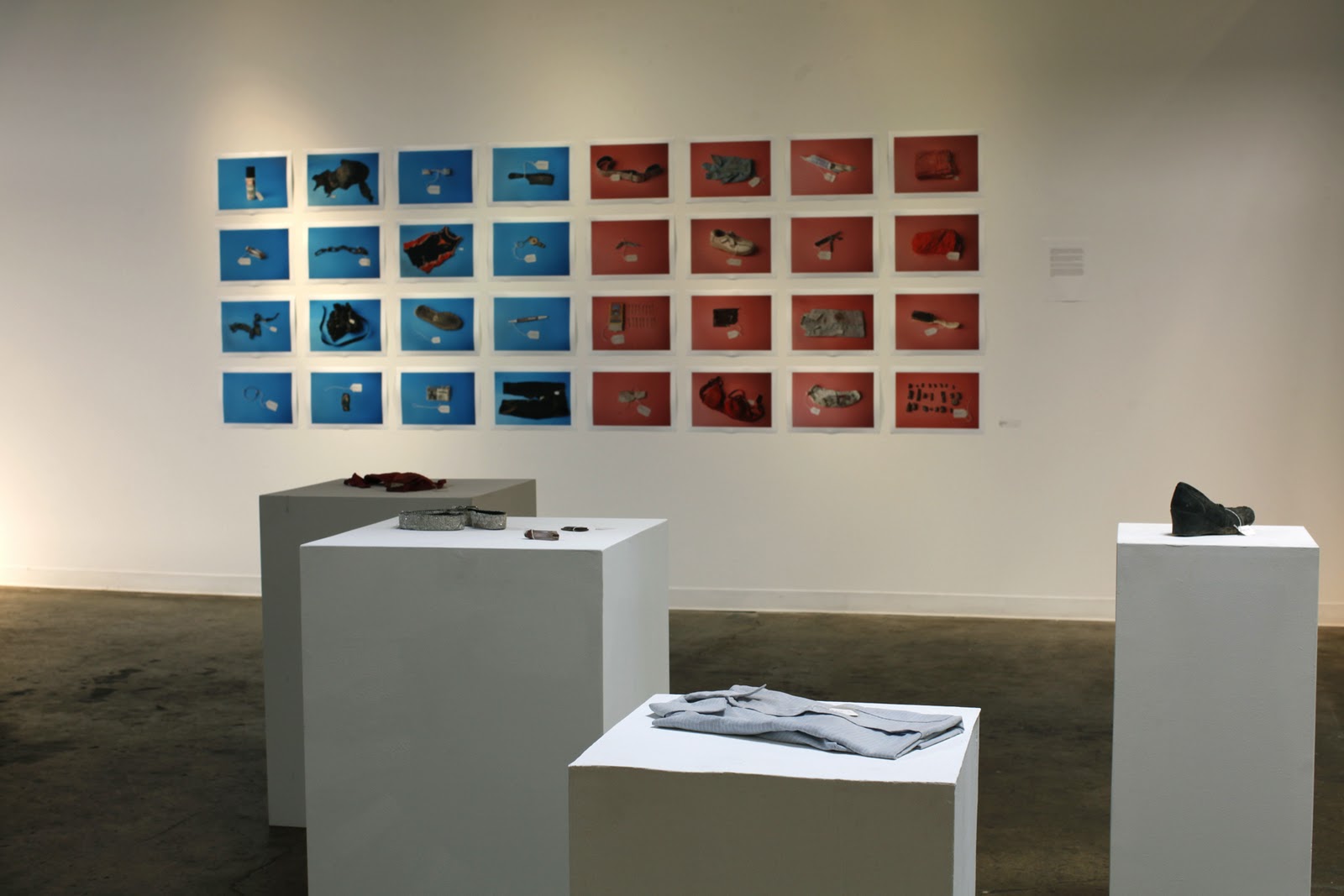
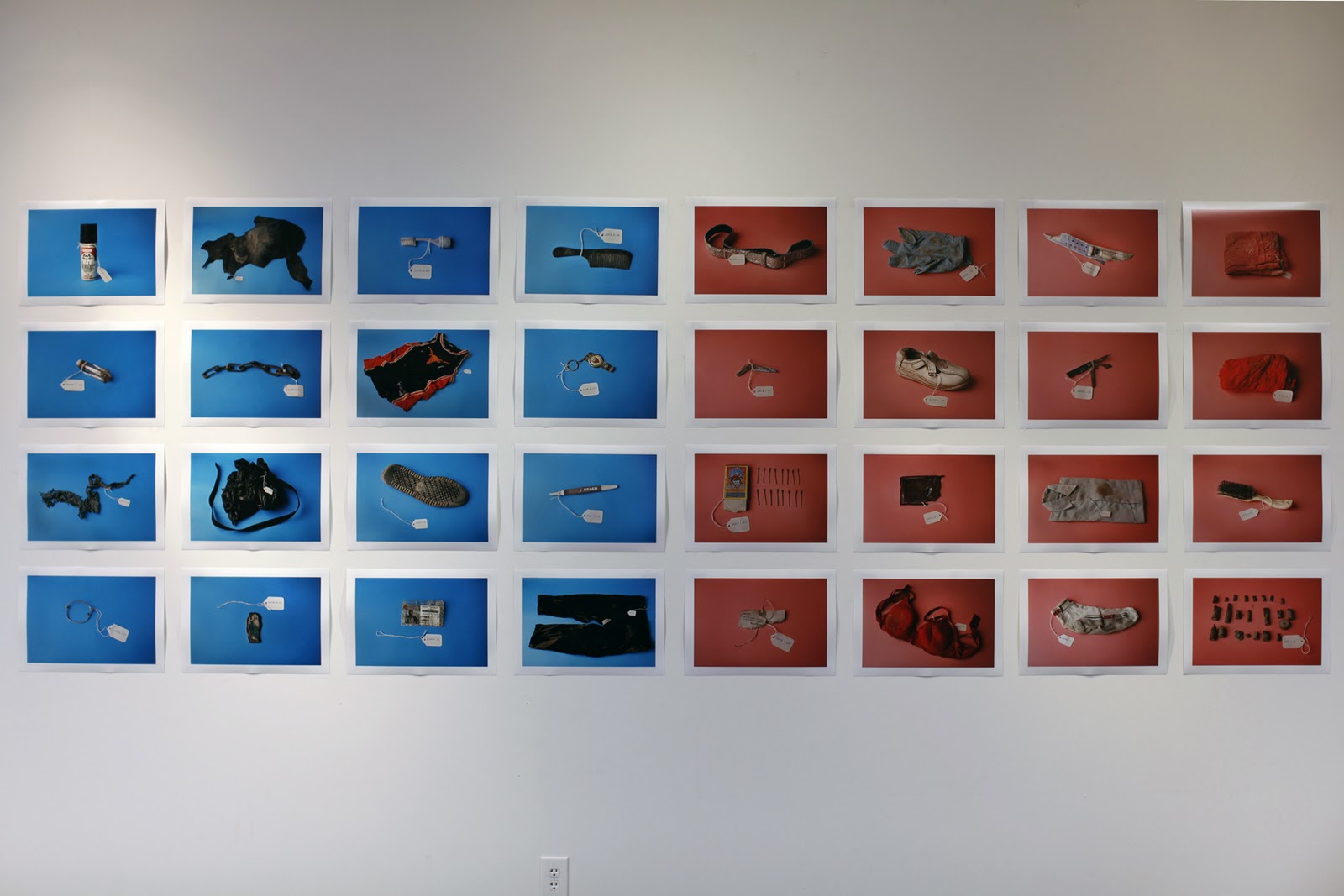
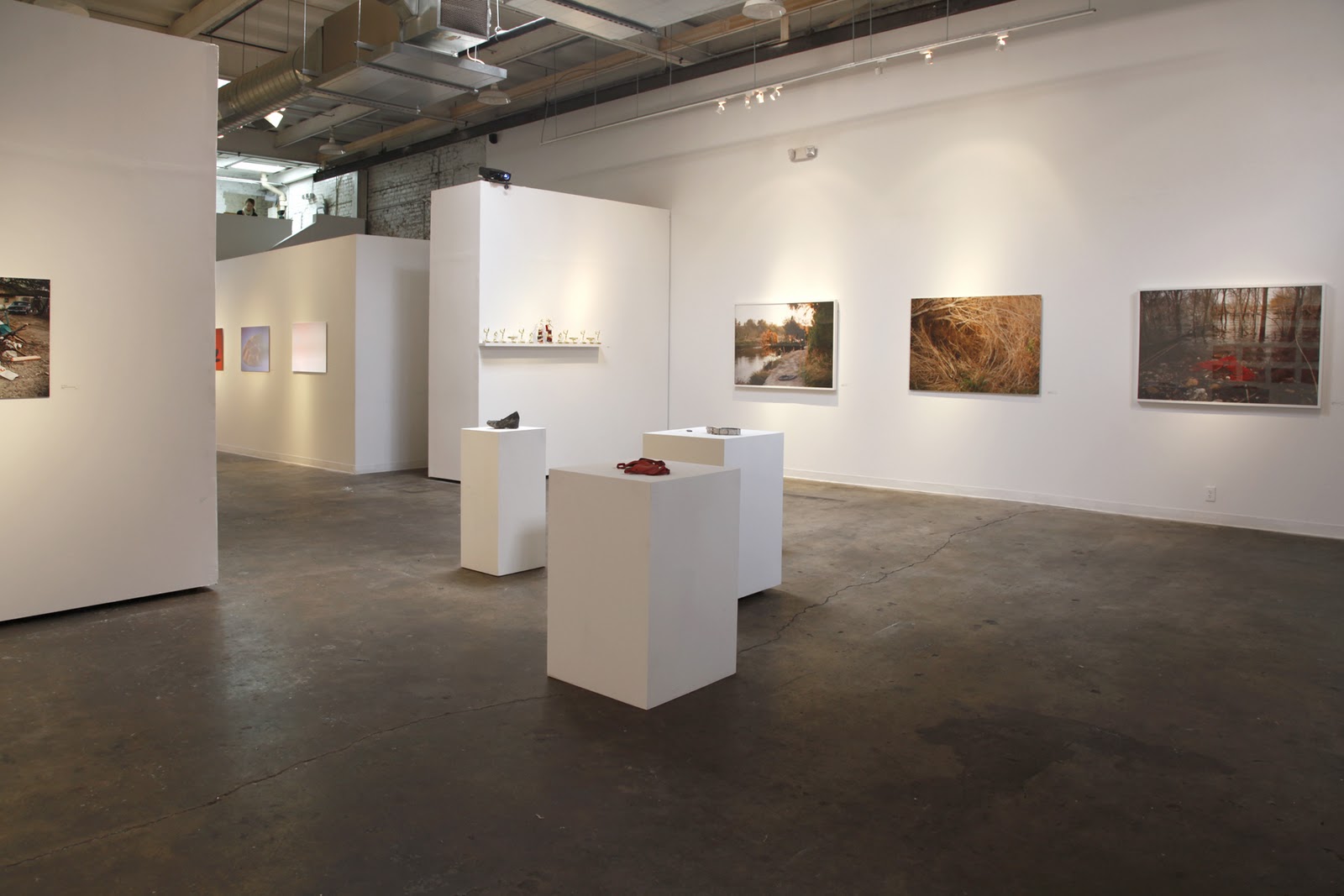
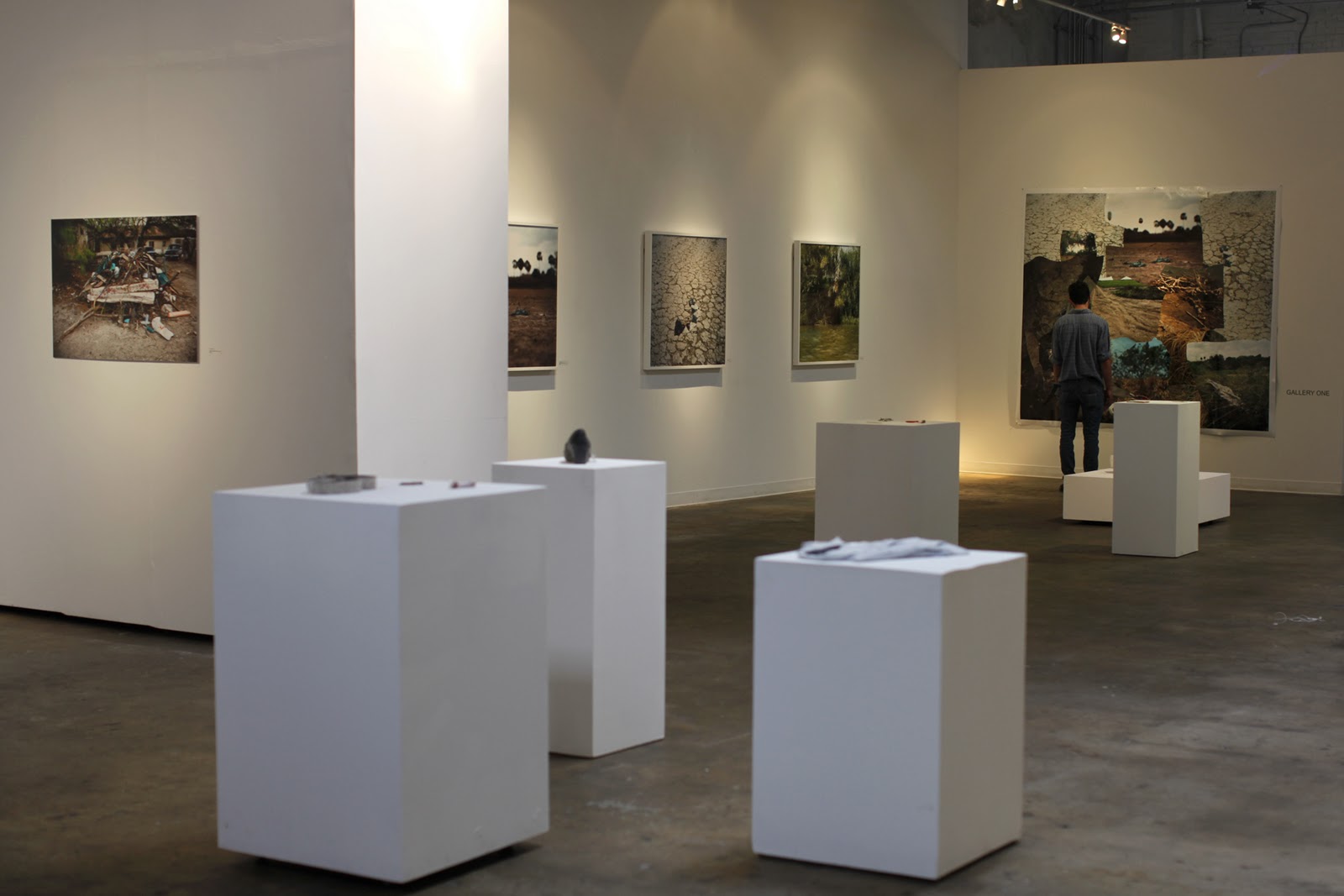
Sadly, the ability to take to the air has not removed our borders, and this subject of the border between Mexico and the United States is front page news with states enacting ever more strict measures for dealing with undocumented immigrants.  Susan Harbage Page has been making trips to the US – Mexico border and documenting the evidence, or the remnants, of a game of cat and mouse that means lawfulness and legality to the people on one side, and life and livelihood to the people on the other.  Her current show at Flanders Gallery incorporates objects that she has collected on her travels (amazingly, according to her card, people stopped at the border have to empty their pockets of anything non-essential), photographs of those objects, and photographs of the evidence of passage.
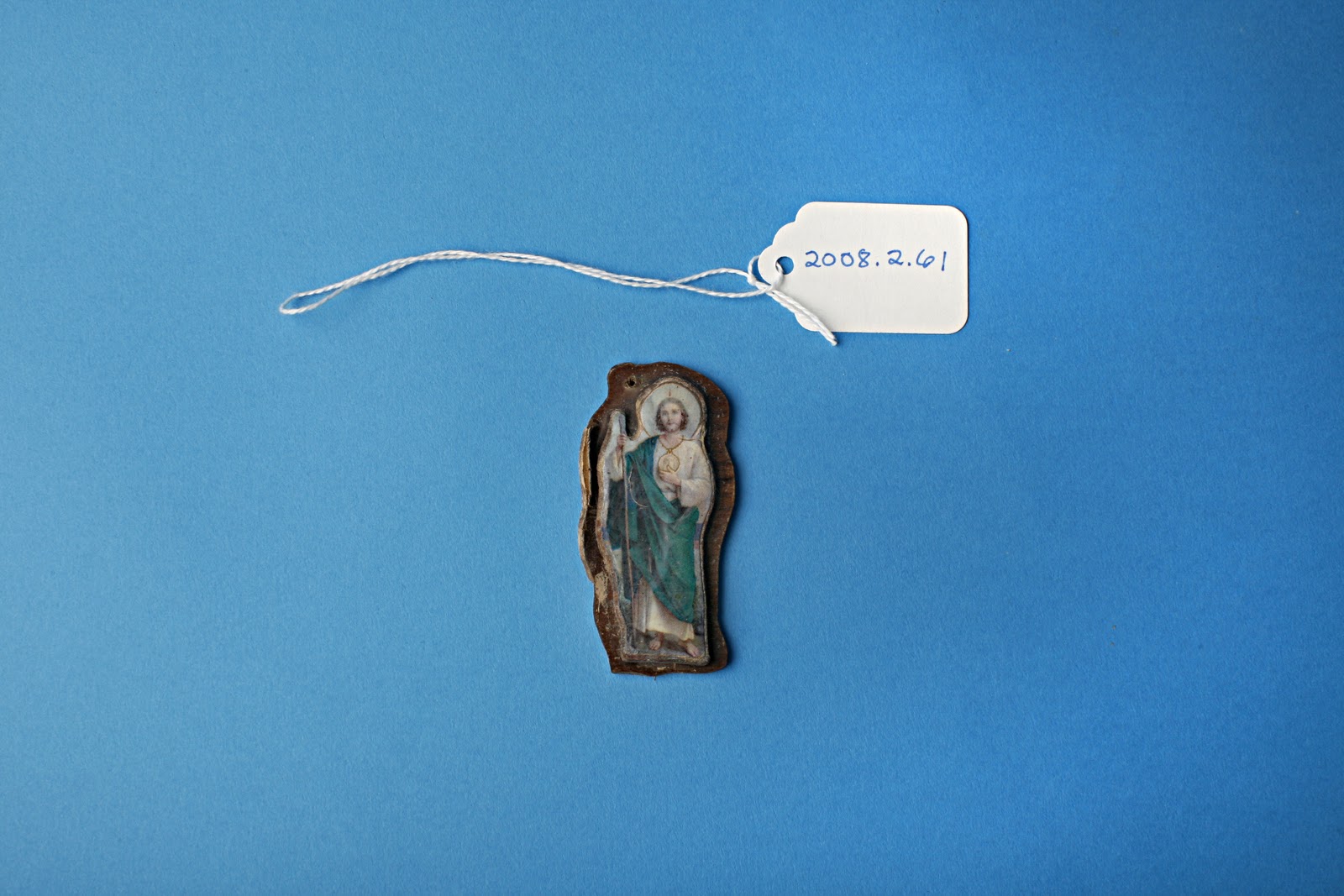
The show comes across as a socially minded archaeological exhibition.  The statement about the injustice of a failed immigration policy is evident, but not over the top.  The objects are simply tagged with a date and laid out for us to interpret (how did the red bra or the little picture of Jesus end up left in the dirt?).  The border seems to create a remarkable amount of trash and the artist takes an even eye to all of it.  Each object is the sign of one more sacrifice, one more piece of a previous life lost.
There is so much rhetoric about the border and what should be done about it, but few of us ever actually see anything concrete.  Harbage Page’s attempt to bring a little reality into this abstract issue makes for some striking visual images and physical objects, but the takeaway is a greater understanding of an actual problem in the actual world, that we might just actually be able to do something about.  After all, if geese can figure this problem out, so should we.
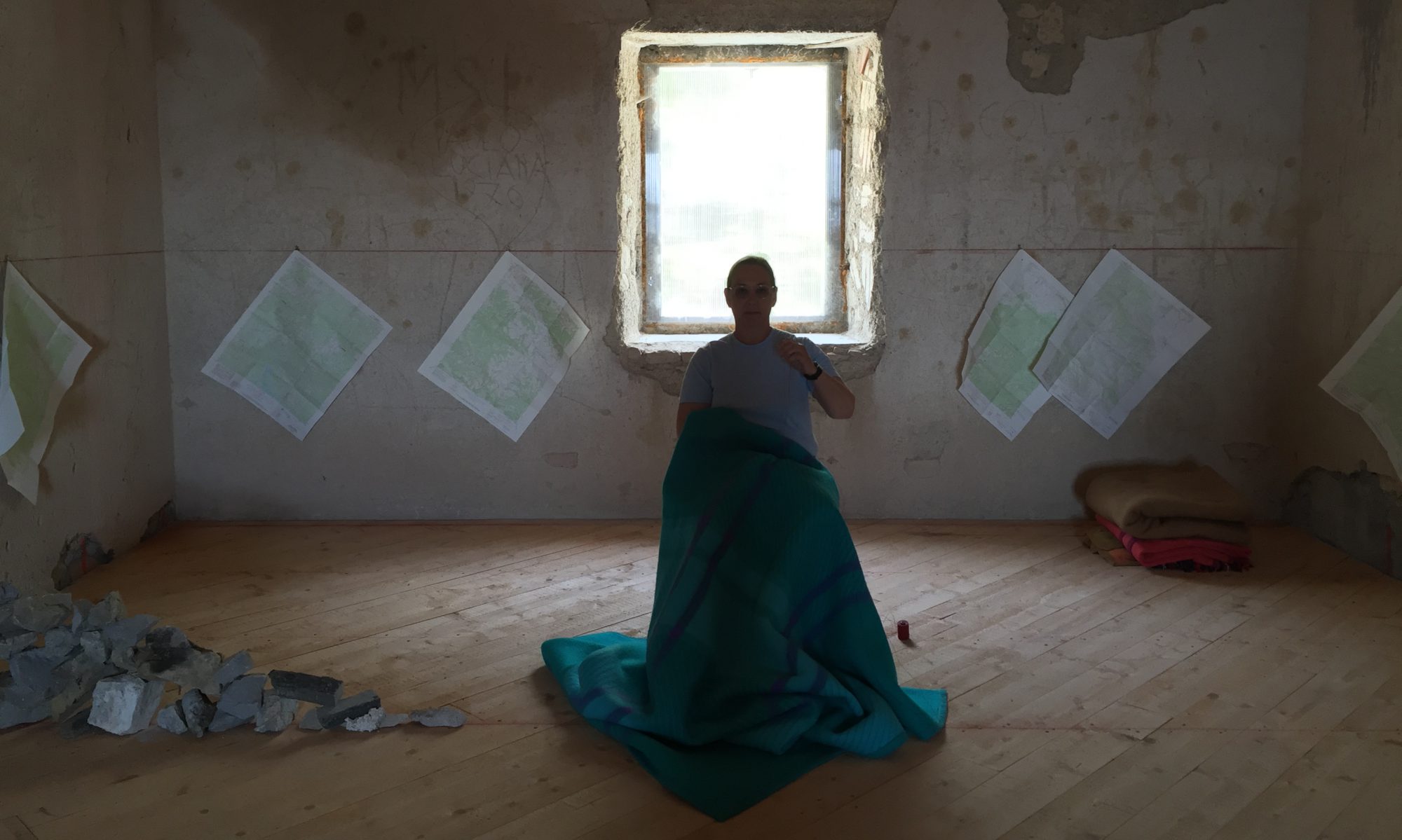
The Border Project at Flanders Gallery

October 1 – November 1
Opening Reception November 7


Flanders Art Gallery 
302 South West Street
Raleigh, North Carolina  27603

Since 2007, Susan Harbage Page has photographed objects left at the U.S.-Mexico border, both on site in the Rio Grande Valley, and in her studio.

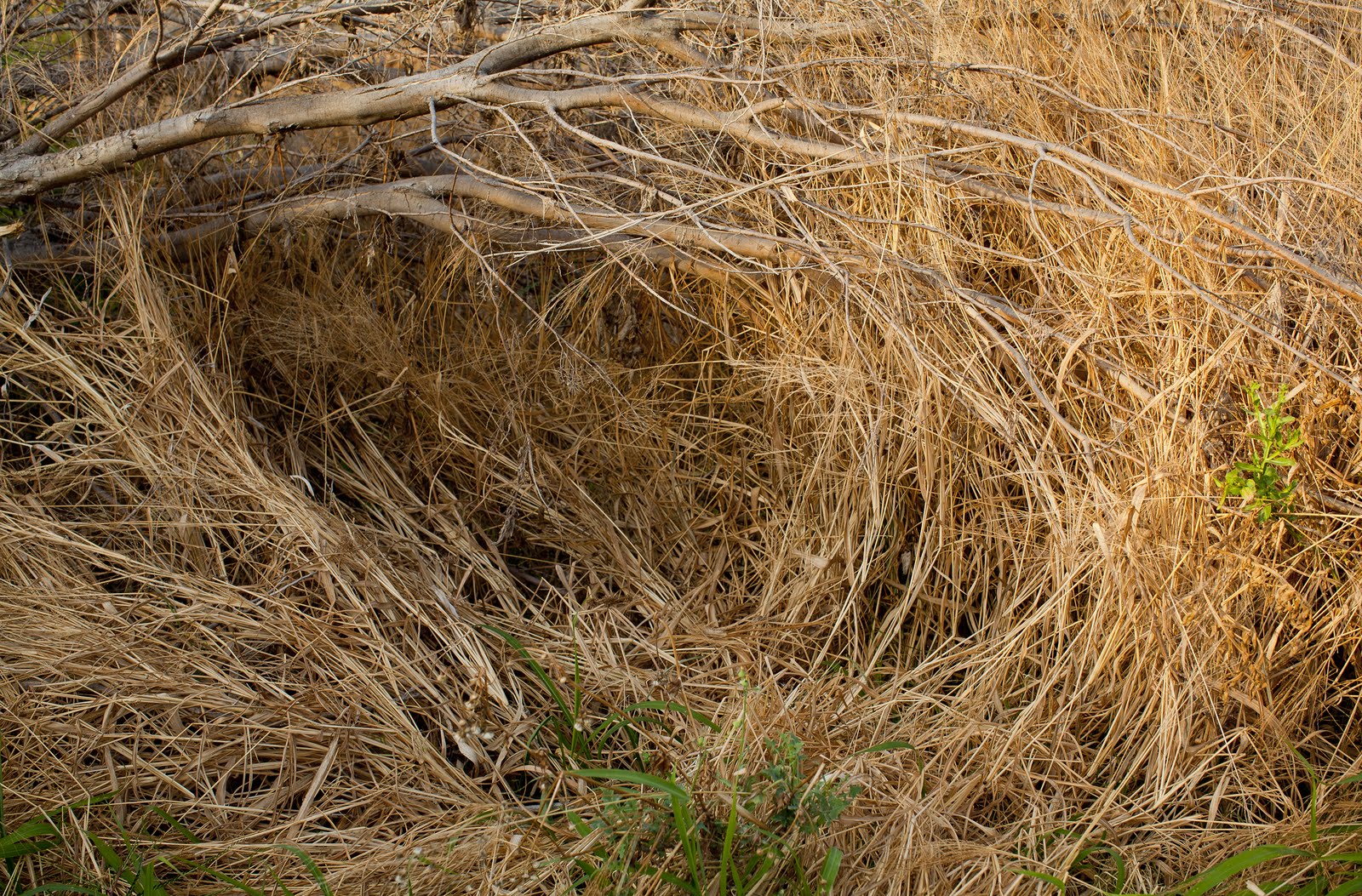
Nest No. 2, Laredo Texas, 2011  

Immigrants hide along the Rio Grande as they come north and wait for their next stopping point. The indentations left by their bodies in the grass are referred to as nests.

Women Working – The Photography Issue of Southern Cultures

The new summer 2011 edition of Southern Cultures edited by Tom Rankin is available online at Project Muse.

Kelly Kiser, 1990, Susan Harbage Page

 Women Working photography and interviews by Susan Harbage Page. When Susan Harbage Page worked in 1989-1990 alongside the women in this photo essay, in addition to friendships she also made a poignant record:“‘Rough. It is rough being a female.'”
$0.99 download for Kindle or Nook

More Great Stuff from Southern Cultures. 
 http://www.southerncultures.org/content/read/read_by_subject/interviews/

Mirror Image at the North Carolina Museum of Art

Pink Veil, Susan Harbage Page, 2008

May 1 – November 27, 2011
North Carolina Museum of Art

Mirror Image: Women Portraying Women will be on exhibition at the North Carolina Museum of Art’s East Building. Mirror Image examines what it means to be a woman in today’s culture. It presents women, from youth to old age, in painting, video, photography, and sculpture from the 1970’s through the present. Artist’s include Margaret Sartor, Maud Gatewood, Roxana Perez-Mendez, Mary Shanon Johnstone and Susan Harbage Page.

Mirror Image:Women Portraying Women
http://www.ncartmuseum.org/exhibitions/mirror_image/