Border as Backdrop

Border as Backdrop
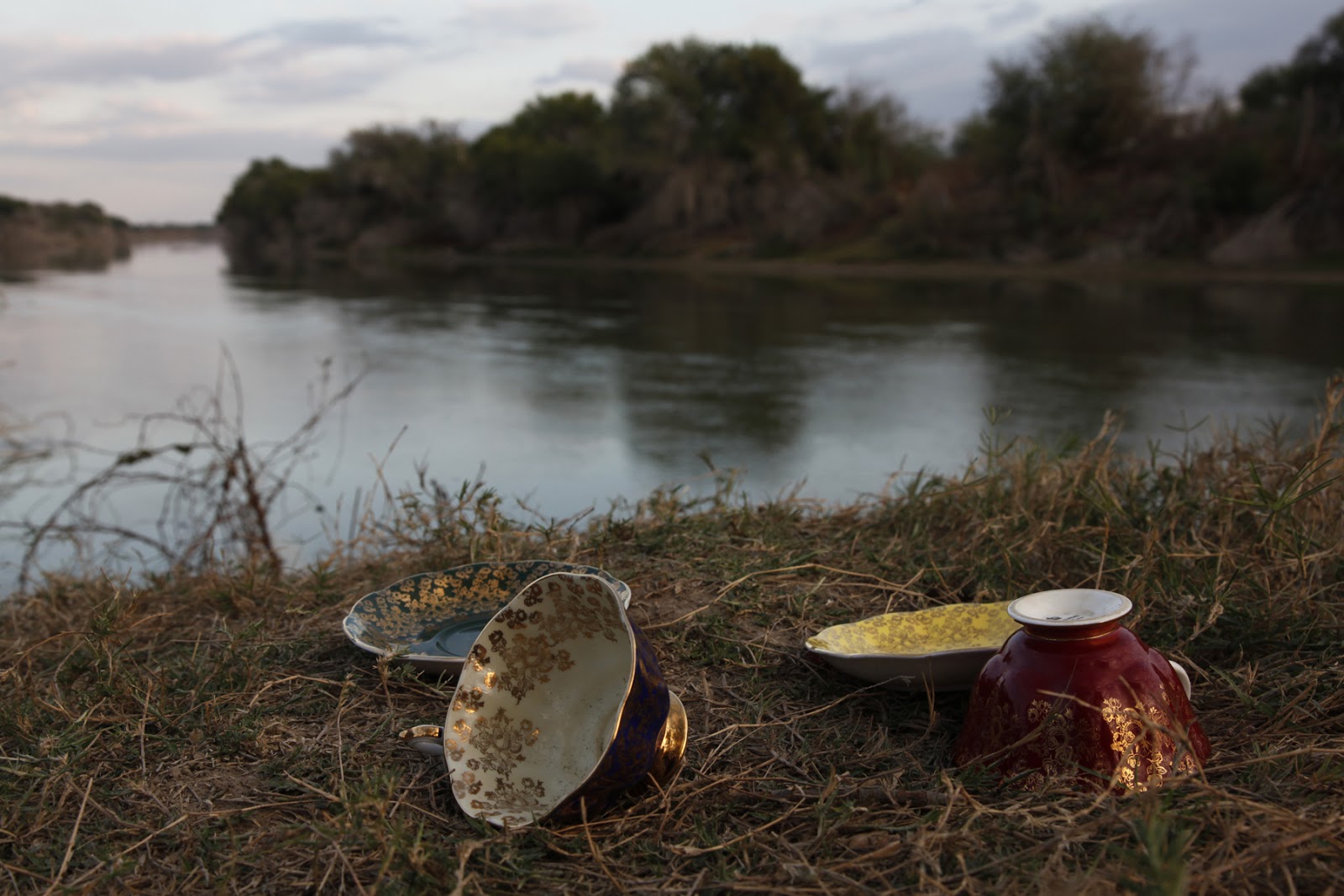
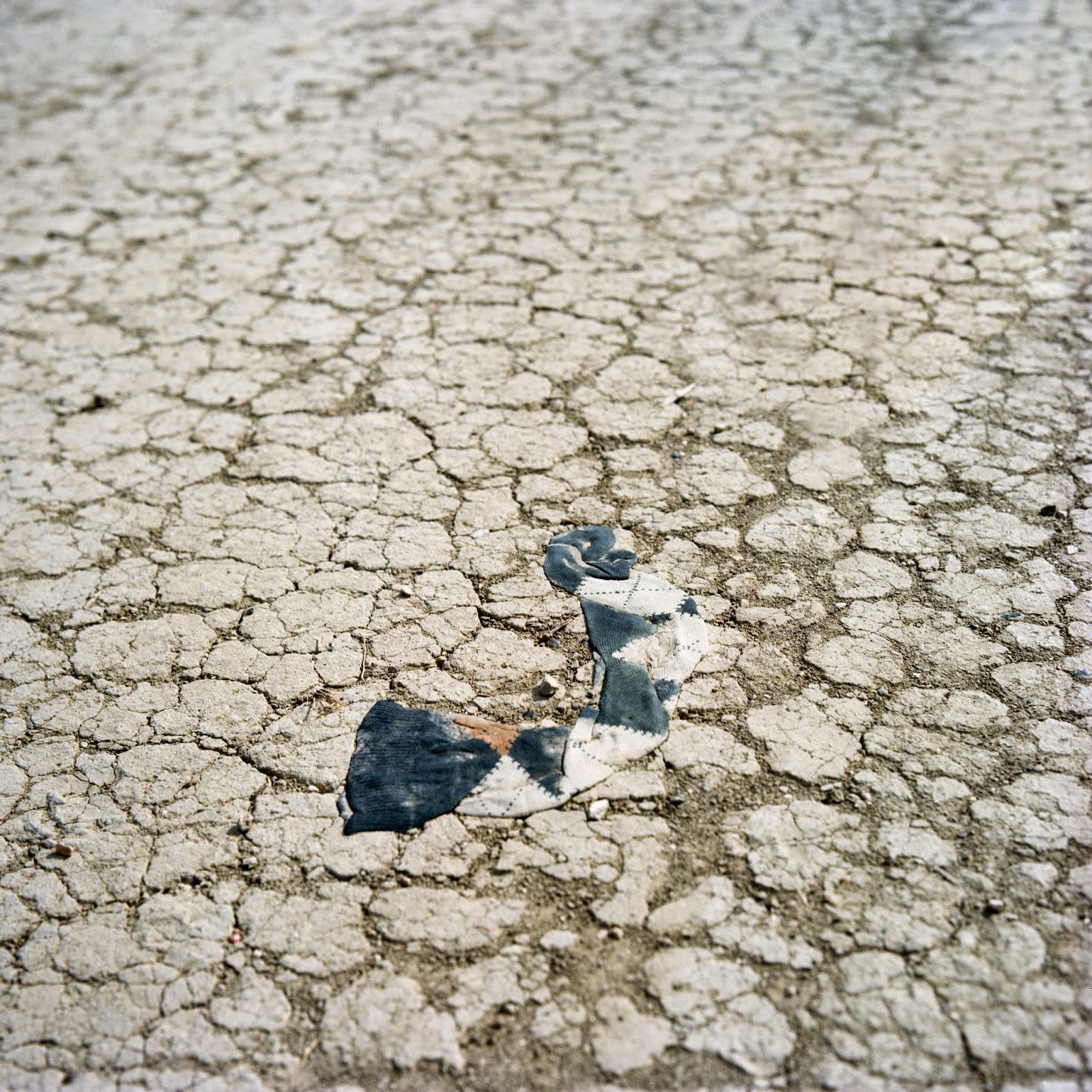
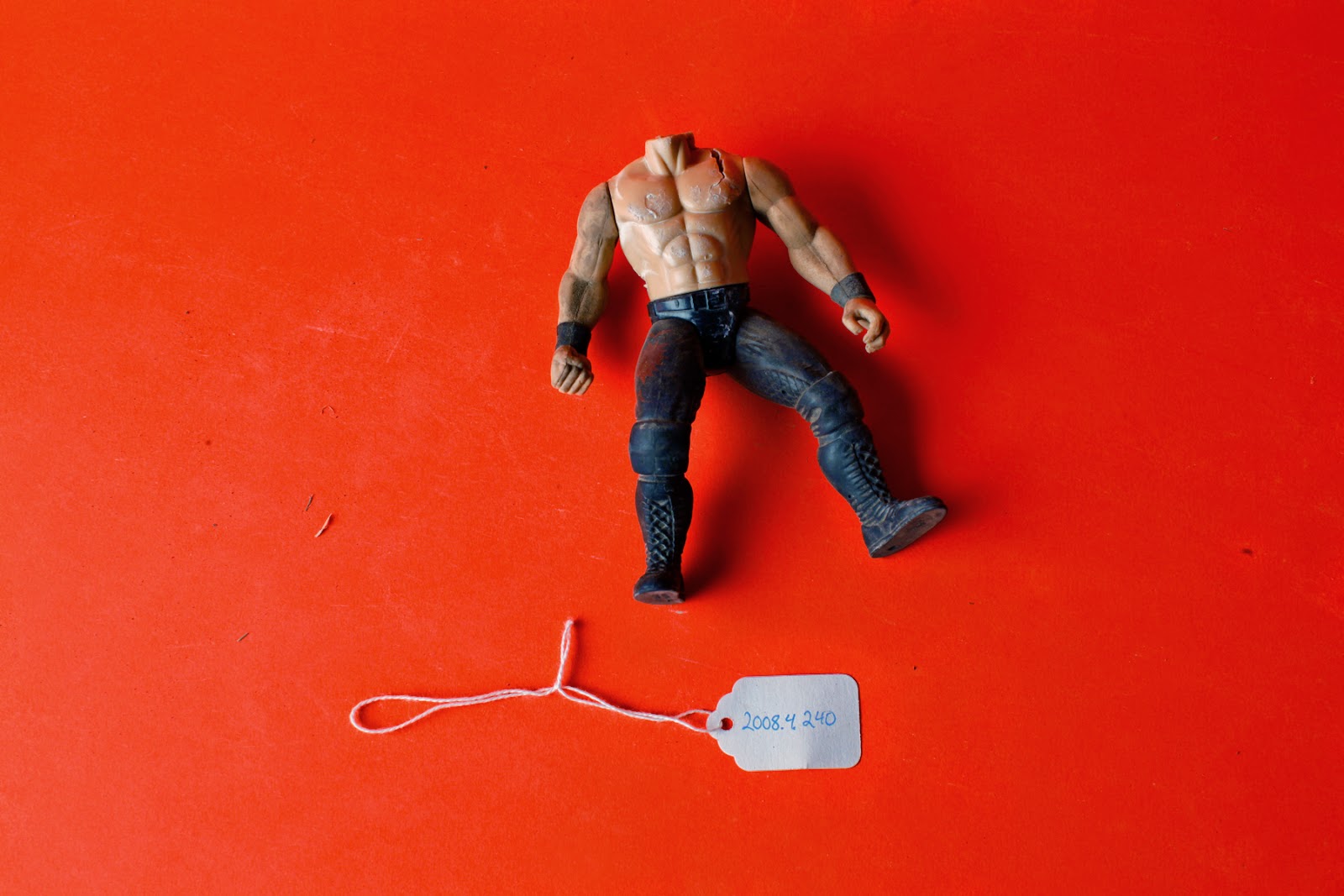
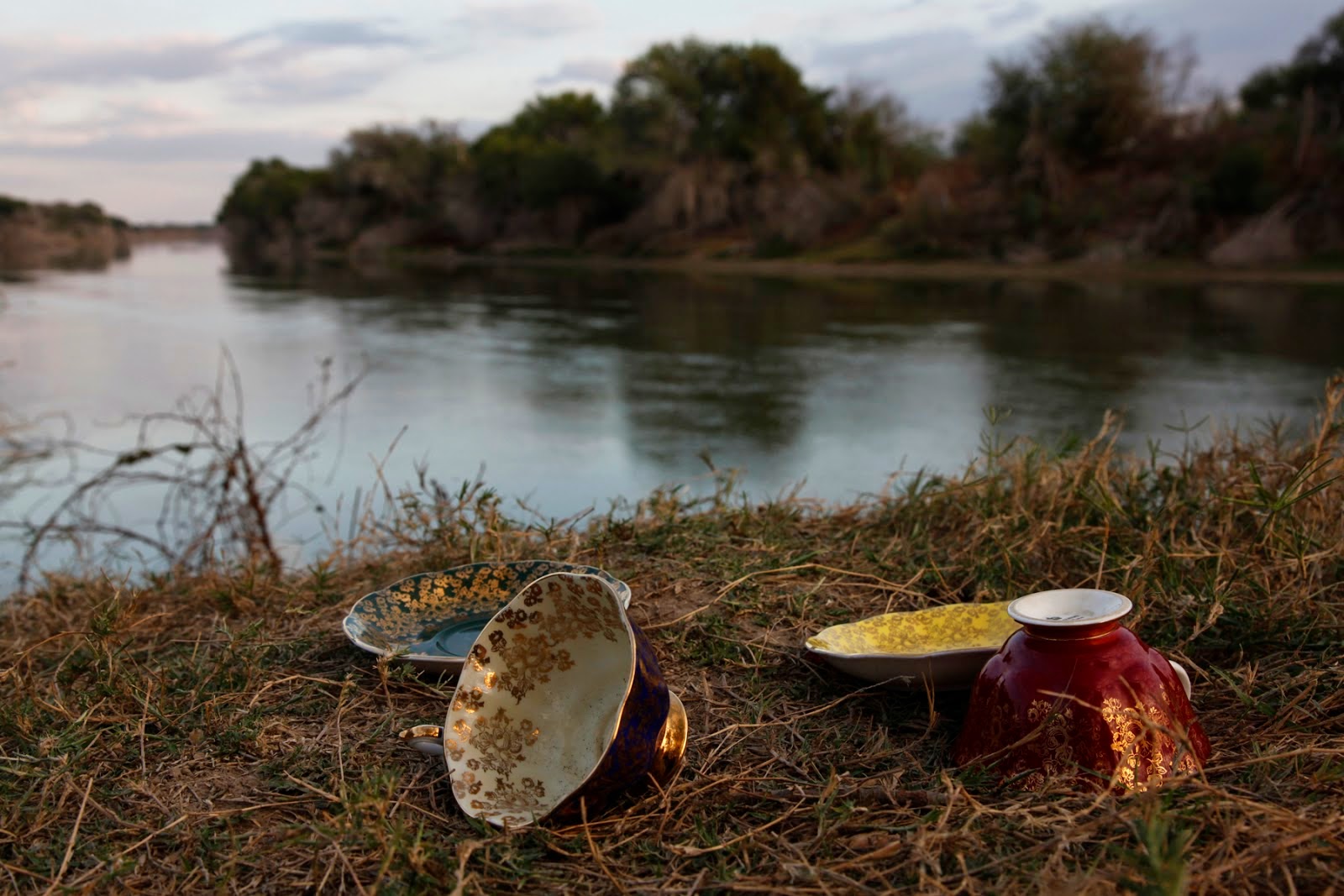
Backdrop, theater, and performance are all ways in which I’ve come to see the U.S.Mexico border in my travels there for almost ten years. Once or twice a year I fly into Brownsville, McAllen, or San Antonio, Texas, to photograph in the Rio Grande Valley and archive the objects left behind by people in motion: a shoe from an immigrant coming north, a coffee cup from a bored Border Patrol officer, or perhaps a bullet casing left behind by someone involved in the illegal transportation of drugs or guns. My archive of over 1,000 objects continues to grow.
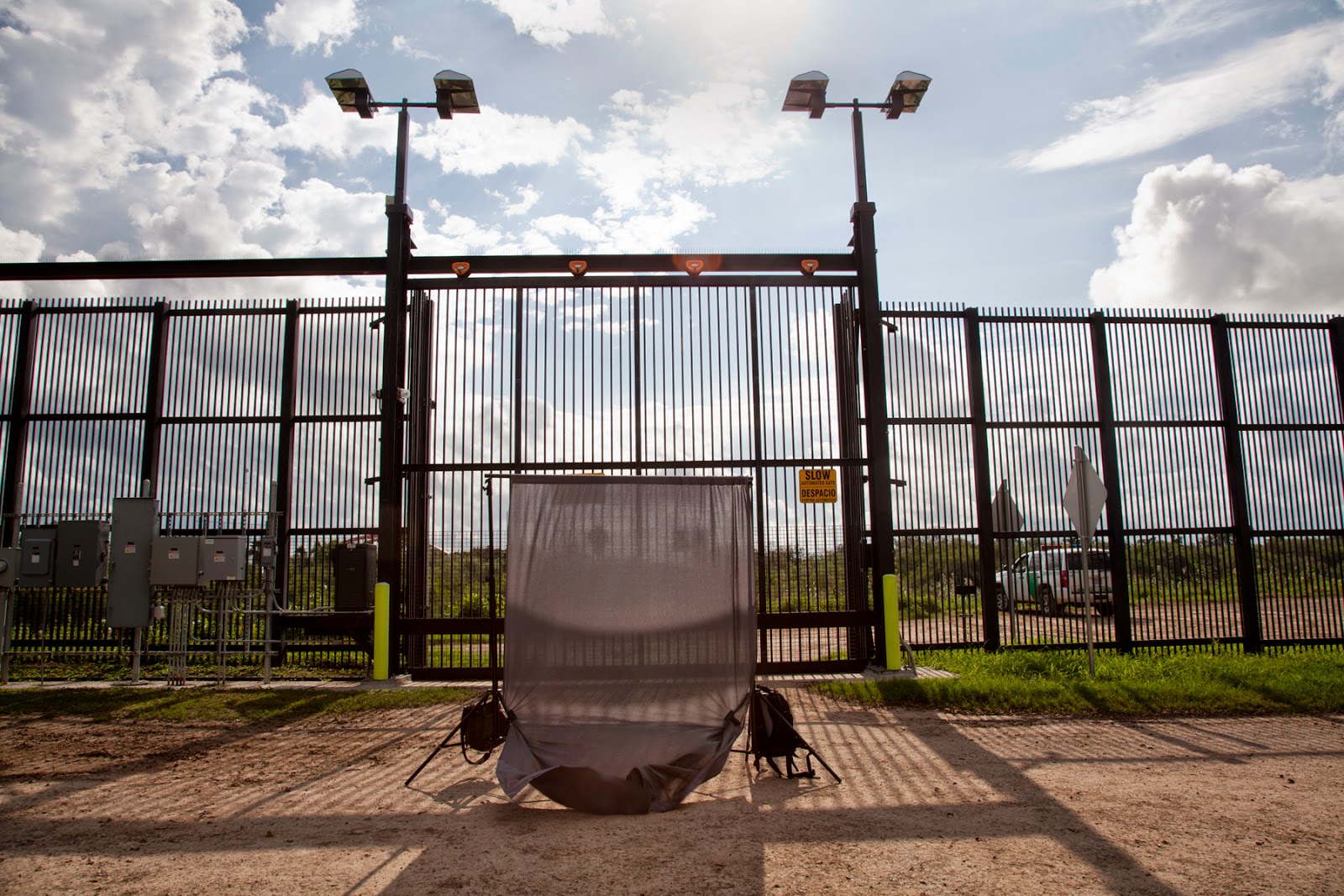
I learn the evolving codes of the border, understand how it has slowly shifted, and respond with a performative action on each journey. This winter I set up a gray backdrop typically used for portraiture to help me think conceptually about the border as backdrop. Often a photo opportunity for ambitious politicians, the border is reduced to a prop or distorted to a menace, without regard to the people and the economic and sociopolitical realities of the place.
This project intends to question how the border will be seen as we lead up to the 2016 elections; immigration, labor, border economics and militarization and surveillance issues will be in the news, and the border again will be used to gain political ground and voters. My images emphasize not what has been put in in front of the backdrop by popular media outlets, but what is to the left of it, the right of it, far behind it. I purposefully leave it empty so the viewer is drawn to see the everyday space and landscape that is normally undifferentiated on our miniaturized backlit screens. The politician who would usually be center stage is absent.
More to come. 
Susan Harbage Page
The Southern Photographer

 Meant to share this link to a short piece that John N. Wall wrote for the Southern Photographer Blog in October. John does a terrific job of keeping up with the latest art photography in the American South.

http://southphotography.blogspot.com/2014/10/susan-harbage-page-in-italy-and.html

Susan Harbage Page in Italy, and in North Carolina

Distinguished Southern Photographer Susan Harbage Page is opening a show of work from her Objects from the Borderlands: The US-Mexico “Anti-Archive” Project portfolio in Rome, at La Stellinia Arte Contemporanea (The Gallery of Contemporary Art) in Rome, Italy.

Harbage Page describes this work as capturing a “collection of objects found along the border between the United States and Mexico that witness a silent immigration that people do not want to see.”

Harbage Page says she “began this work on the border after I heard a radio broadcast on National Public Radio. 

“They said that 20% more women and children than men die crossing the U.S.–Mexico border without official papers. I couldn’t get this statistic out of my head, so I decided to go see it with my own eyes. 

“I began to make yearly pilgrimages to the border to photograph the objects that are left behind by border-crossers. 
“The objects that I find speak of a difficult journey and the risks that these individuals are exposed to when they enter the United States. 
“I didn’t want to photograph the individuals in the traditional documentary manner—media and popular culture already do this. I wanted to show these left-behind objects as reliquaries, imbued with power.” 

If you are in Rome, the Gallery is at 93 Via Braccio da Montone.
There will be a reception and artist’s talk at the Gallery on Friday, October  24th, 2014, at 6:00 in the afternoon.

We’ve discussed this work before, here and here, and it’s really great to see this work receiving attention in another country where the possibility of a better life tempts large numbers of people to risk literally everything for the chance to pursue it.

Page is also busy this month, with work in two group shows in the Raleigh/Durham/Chapel Hill area as part of the CLICK! Triangle Photography Festival.


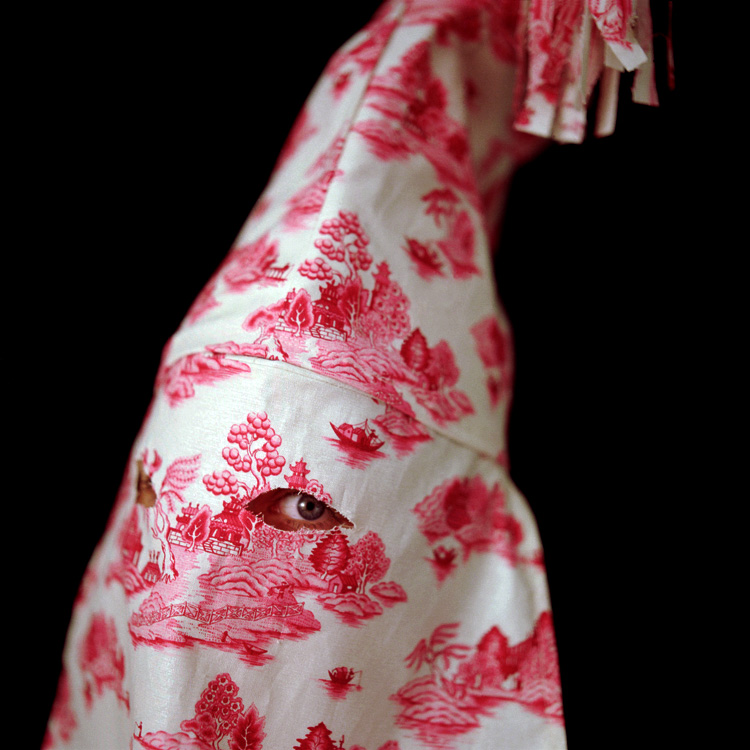
The first is now up at Light Art + Design in Chapel Hill, and features photography by Taj Forer, Jimmy Fountain, Susan Harbage Page (see image above), Harrison Haynes, Jeff Whetstone, and Laura Williams.


This show is up through October 25th, 2014 at 601 West Rosemary Street, in Chapel Hill, open from 11:00 to 6:00 pm every day except Sundays and Mondays.

The second show is at the Flanders Gallery in  Raleigh, at  302 South West Street, up now through October 29th, 2014, on Wednesdays through Saturdays from 11:00 -6:00 pm

In addition to Harbage Page, this show of photographers and artists in other media includes the work of Derek Toomes, Damian Stamer, Lydia Anne McCarthy, Kenn Kotara, Ian F.G. Dunn, Bill Sullivan, Mia Yoon, Holly Fischer, Ashlynn Browning, Jason Craighead, and Peter Glenn Oakley.
Great to see Harbage Page becoming both a locally- and internationally-celebrated photographer!

Il foglio dell Arte

Here’s a link to a short piece written by Francesca Castiglia on the “Sewing Politics” performance last week in Rome at LaStellina ArteContemporanea.

L’anti-archivio di Susan Harbage Page

ROMA – Un lavoro ancora in corso, quello dell’artista americana Susan Harbage Page. Una minuziosa raccolta e classificazione di ogni genere di articoli rinvenuti lungo il confine tra gli Stati Uniti e il Messico. Pettini, calzini, spazzolini da denti: oggetti di vita quotidiana, persi, nel tentativo di oltrepassare la frontiera e raggiungere un nuovo e supposto benessere. L’artista fotografa prima gli oggetti sul posto, nel momento in cui li trova. In seguito, li trasporta nel suo studio, dove li fotografa nuovamente, in uno scenario neutro, attribuendo loro un’etichetta e un numero, per poi collocarli in un registro. Si tratta, in realtà, di una sorta di anti-archivio, poiché se un archivio, nel senso comune, è una mera raccolta di informazioni da conservare e mettere da parte, quasi dimenticandosene, in questo caso la finalità della raccolta è mantenere viva nella memoria la storia di gente sconosciuta.
L’artista ha iniziato il suo progetto nel 2007, dopo aver ascoltato una trasmissione radiofonica in cui si parlava dell’alto tasso di mortalità di quanti tentavano di oltrepassare clandestinamente la frontiera. Da quel momento è nato in lei il desiderio di approfondire le problematiche relative all’immigrazione negli Stati Uniti. La tematica, inoltre, la riguarda da vicino, poiché nello Stato in cui vive, il North Carolina, l’economia si basa soprattutto sull’agricoltura, che deve molto alla manodopera proveniente dal Messico e dall’America Latina.
Il 24 ottobre scorso la galleria LaStellina ArteContemporanea ha presentato il progetto di Harbage Page “Objects from the Borderlands: Anti-Archive from the U.S.-Mexico Border”, che raccoglie il lavoro dell’artista degli ultimi otto anni.
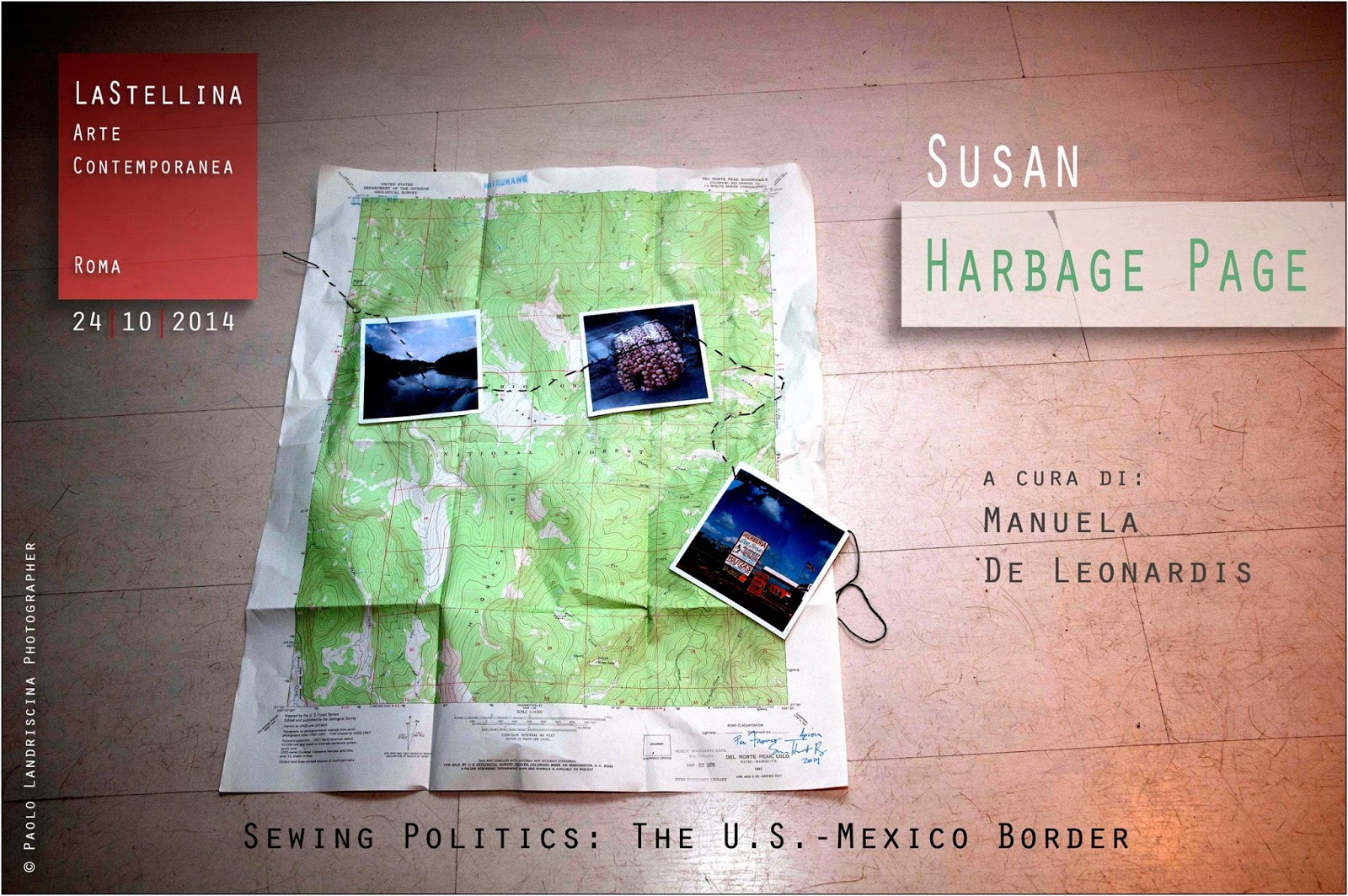
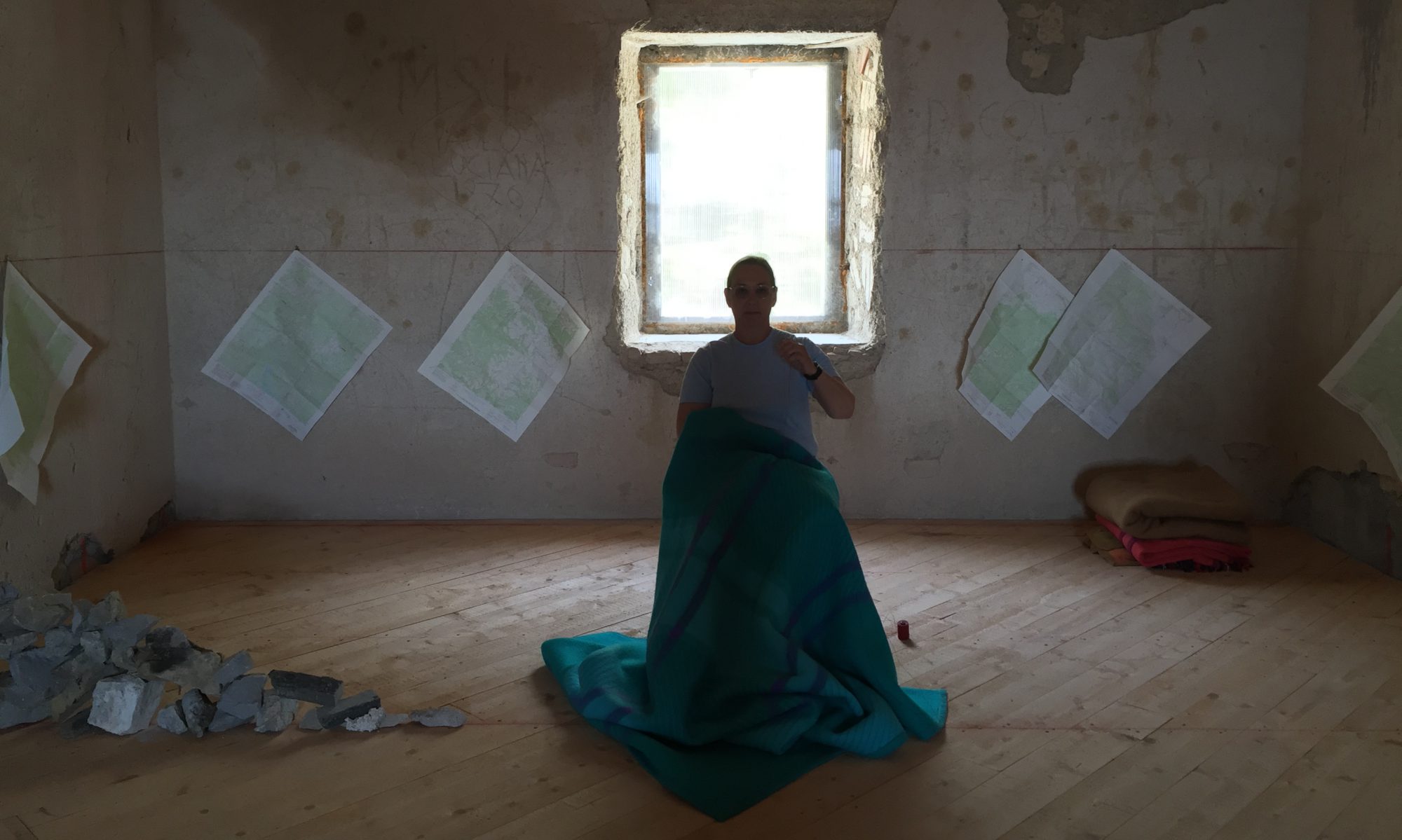
Nelle sue ricerche, Harbage Page si è concentrata sulla migrazione che avviene attraverso il Rio Grande. Chi migra, infatti, nuota nel fiume e, una volta arrivato a destinazione, si cambia velocemente gli abiti bagnati per indossarne di asciutti, cercando di sparire il più velocemente possibile. Chi, invece, viene fermato dalla guardia di frontiera, viene obbligato a levare dalle tasche tutto ciò che non è essenziale. Harbage Page, con esercizio meticoloso, ha raccolto negli anni questi oggetti personali abbandonati lungo il confine, considerandoli come relitti di una cultura in cambiamento e di un’aspirazione a una vita migliore. In occasione della presentazione presso la galleria, l’artista ha realizzato anche una performance: su una cartina geografica degli Stati Uniti ha cucito alcune fotografie di quanto ritrovato.
Percependo, innanzitutto, il proprio lavoro come un dovere morale nei confronti delle vittime della clandestinità, Harbage Page ha preferito non tanto descriverne i volti e le fisionomie, quanto piuttosto mostrare gli oggetti appartenuti ai singoli, che ne narrano la vita e la sofferenza, discostandosi dalla fotografia documentaristica tradizionale.
Del resto, il lavoro sul campo è un aspetto fondante della pratica dell’artista. Negli anni, ha svolto quattro residenze internazionali: inizialmente ha analizzato la comunità delle monache di clausura del Monastero di Santa Maria Maddalena a Spello (1992); successivamente si è concentrata su un gruppo di donne beduine in Israele (1996), approfondendo, infine, la tematica della religione in Francia (2002) e del corpo femminile in North Carolina (2004).
I passaggi, i confini, gli incroci e le intersezioni sono al centro del lavoro di Harbage Page, che si prefigge, così, di esplorare la cultura di alcuni popoli, la traccia dei loro comportamenti e della loro marginalità, in modo da operare al contempo su diversi livelli: estetico, archeologico e archivistico.

More photos from the aticle here.

Via Braccio da Montone, 93 – 00176 Roma
Visitabile su appuntamento

Sewing Poiltics: The U.S.–Mexico Border

Thanks to Paolo Landriscina for this photo of a piece made during the performance at LaStellina on October 24, 2014.

<!– /* Font Definitions */ @font-face {font-family:"MS 明朝"; mso-font-charset:78; mso-generic-font-family:auto; mso-font-pitch:variable; mso-font-signature:-536870145 1791491579 18 0 131231 0;} @font-face {font-family:"Cambria Math"; panose-1:2 4 5 3 5 4 6 3 2 4; mso-font-charset:0; mso-generic-font-family:auto; mso-font-pitch:variable; mso-font-signature:-536870145 1107305727 0 0 415 0;} @font-face {font-family:Cambria; panose-1:2 4 5 3 5 4 6 3 2 4; mso-font-charset:0; mso-generic-font-family:auto; mso-font-pitch:variable; mso-font-signature:-536870145 1073743103 0 0 415 0;} /* Style Definitions */ p.MsoNormal, li.MsoNormal, div.MsoNormal {mso-style-unhide:no; mso-style-qformat:yes; mso-style-parent:""; margin:0in; margin-bottom:.0001pt; mso-pagination:widow-orphan; font-size:12.0pt; font-family:Cambria; mso-ascii-font-family:Cambria; mso-ascii-theme-font:minor-latin; mso-fareast-font-family:"MS 明朝"; mso-fareast-theme-font:minor-fareast; mso-hansi-font-family:Cambria; mso-hansi-theme-font:minor-latin; mso-bidi-font-family:"Times New Roman"; mso-bidi-theme-font:minor-bidi;} .MsoChpDefault {mso-style-type:export-only; mso-default-props:yes; font-family:Cambria; mso-ascii-font-family:Cambria; mso-ascii-theme-font:minor-latin; mso-fareast-font-family:"MS 明朝"; mso-fareast-theme-font:minor-fareast; mso-hansi-font-family:Cambria; mso-hansi-theme-font:minor-latin; mso-bidi-font-family:"Times New Roman"; mso-bidi-theme-font:minor-bidi;} @page WordSection1 {size:8.5in 11.0in; margin:1.0in 1.25in 1.0in 1.25in; mso-header-margin:.5in; mso-footer-margin:.5in; mso-paper-source:0;} div.WordSection1 {page:WordSection1;}

Sewing Politics: The U.S.–Mexico Border
Susan Harbage Page
Susan Harbage Page humanizes and animates the imaginary constructions of Nation state borders in her performance “Sewing Politics: The U.S.–Mexico Border.” She concretizes the ever-evolving spaces of international borders through the labor-based action of sewing, creating a narrative and memorialization that challenges dominant histories.
“For eight years I have documented and collected objects from the U.S.–Mexico Border, creating an “Anti-Archive” that challenges who is worthy of documentation, attention, and remembrance. My work on the border—a geopolitical flash point in which contested bodies (race), contested statuses (refugee vs. “illegal”), and contested histories are bound together—is a witnessing that serves its purpose only if others witness it in turn. The upcoming publication of the artist’s book “Anti-Archive: A Book of Objects from the U.S.–Mexico Borderlands” will catalogue this anti-archive and create a tangible object to serve as primary source material for scholars and citizens to engage and interpret. The book will function as a sort of reliquary, with photographs accompanied by scraps of cloth.” 

LaStellina Arte Contemporanea, Rome

Susan Harbage Page
Objects from the Borderlands: Anti-Archive
from the U.S.–Mexico Border Project 2007–2014
 (Curated by Manuela De Leonardis)
Presentation of the project and reception with the Artist
Friday, October 24, 6:30pm, 2014
In 2007, the American artist Susan Harbage Page began to create her “Anti-Archive,” Objects from the Borderlands: The U.S.­­–Mexico “Anti–Archive” project. A collection of objects found along the border between the United States and Mexico that witness a silent immigration that people do not want to see.

“I began this work on the border,” comments Harbage Page, “after I heard a radio broadcast on NPR (National Public Radio). They said that 20% more women and children than men die crossing the U.S.–Mexico border without official papers. I couldn’t get this statistic out of my head, so I decided to go see it with my own eyes. I began to make yearly pilgrimages to the border to photograph the objects that are left behind by border-crossers. The objects that I find speak of a difficult journey and the risks that these individuals are exposed to when they enter the United States. I didn’t want to photograph the individuals in the traditional documentary manner—media and popular culture already do this. I wanted to show these left-behind objects as reliquaries, imbued with power. 

LaStellina Arte Contemporanea, Rome, Italy 

FOUNDATIONS EXHIBITION

OCtober 3 – October 29, 2014

FLanders Gallery 


Change is ahead for Flanders Gallery. In anticipation of the Union Station construction beginning in 2015, we will be moving the gallery to a new location in November. The new gallery space will be located next to LUMP gallery, 505 S. Blount Street. We are very excited about the move, and will send information on upcoming shows and events as we get settled.

For our final month in the warehouse district, we want to give tribute to some of the artists that have been a part of the gallery all these years. “Foundations” will be a large group exhibit that will include the work of Derek Toomes, Damian Stamer, Lydia Anne McCarthy, Kenn Kotara, Ian F.G. Dunn, Bill Sullivan, Mia Yoon, Susan Harbage Page, Holly Fischer, Ashlynn Browning, Jason Craighead, and Peter Glenn Oakley. Some of the works will be new and some will be taken from our past exhibitions.
We look forward to bringing fresh and interesting exhibits to the North Carolina community in our new location this November-December. Thank you for your continued support and enthusiasm for contemporary art in North Carolina.

Happiest Regards,
Kelly McChesney

Flanders Gallery
302 South West Street
Raleigh, NC 27603

* Photo Above, Argyle Sock from the U.S.–Mexico Border Project, Susan Harbage Page

The Contemporaries at Light Art + Design


Featuring work from Taj Forer, Jimmy Fountain, Susan Harbage Page, Harrison Haynes, Jeff Whetstone, and Laura Williams.

Join us for the opening reception:

Saturday, September 27 from 6-9 pm

The Triangle will have wealth of photography events for the Click! Triangle Photography Festival during the month of October. We hope you’ll explore and support the other venues and artists participating in this fabulous venture!

Our Click! reception will be held on Thursday, October 9th from 5 to 7 pm.

 Light Art + Design

GREENBRIDGE • 601 W. ROSEMARY ST. • CHAPEL HILL, NC
919.942.7077 • lightartdesign@gmail.com • Hours: Tues – Sat, 11 am – 6 pm

*Photo above, Intimate Histories #1, 20 x 29 inches,  Spello, Italy, Susan Harbage Page

Leaders Under 40 – Border Simulation

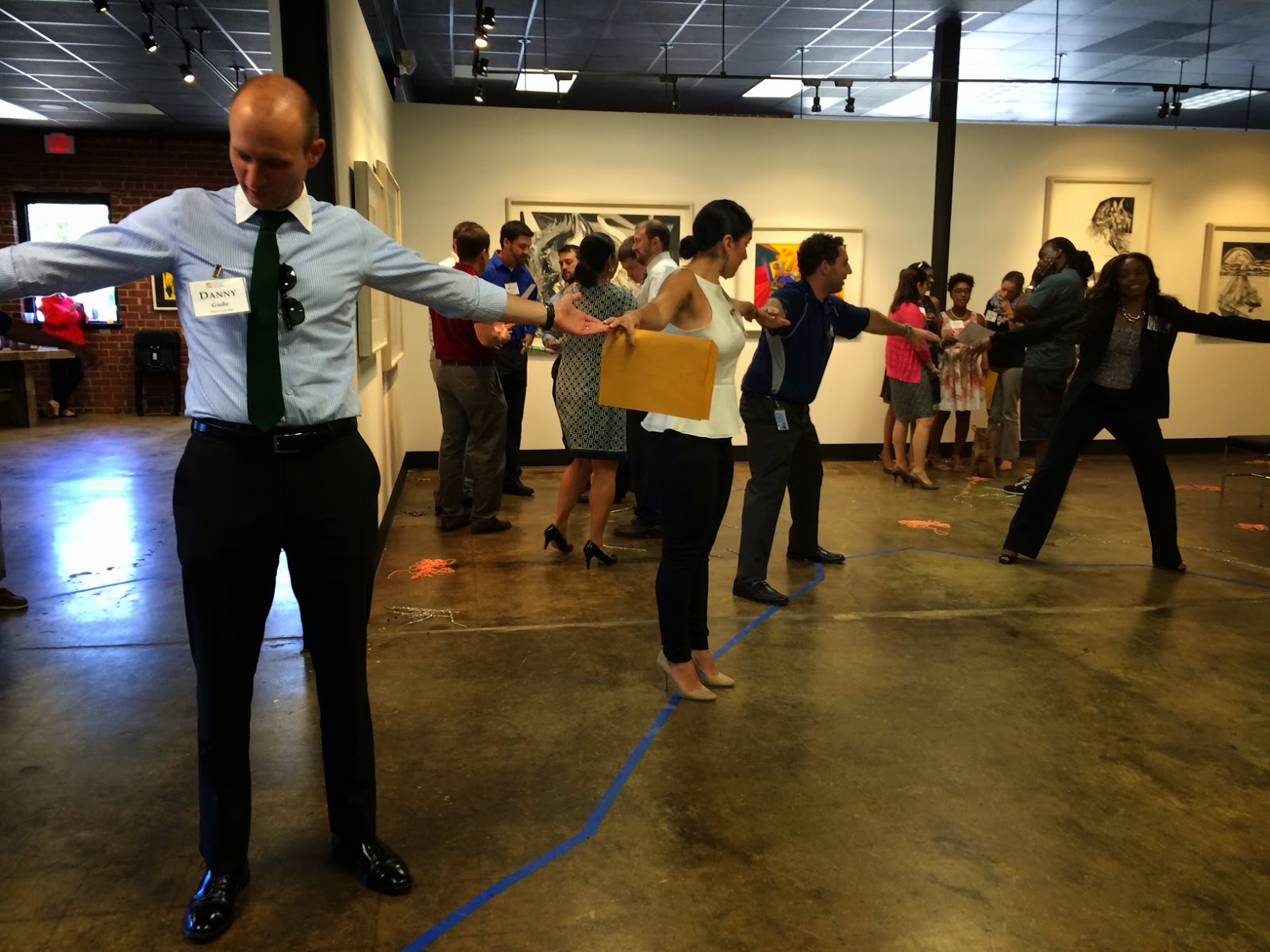
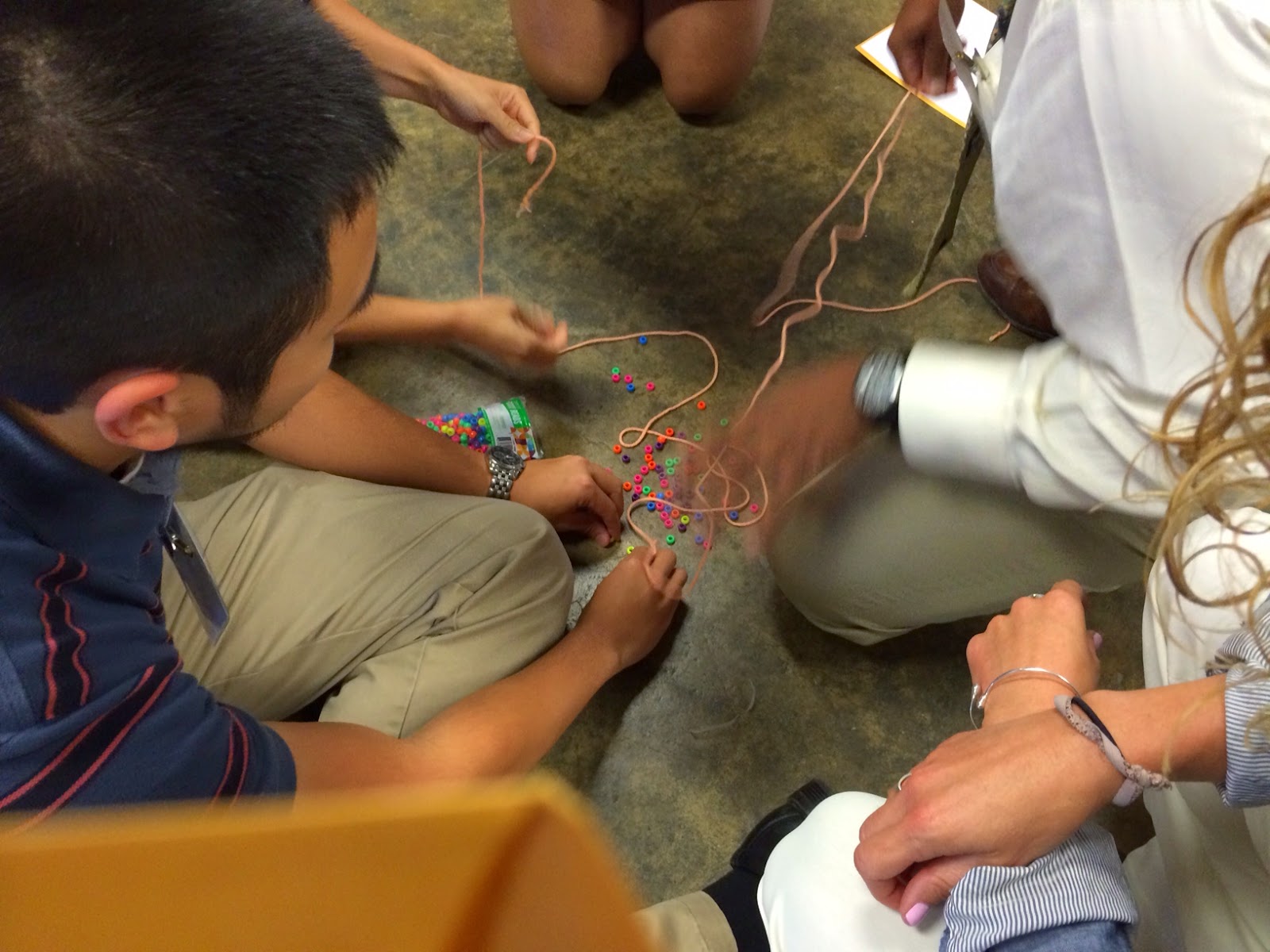
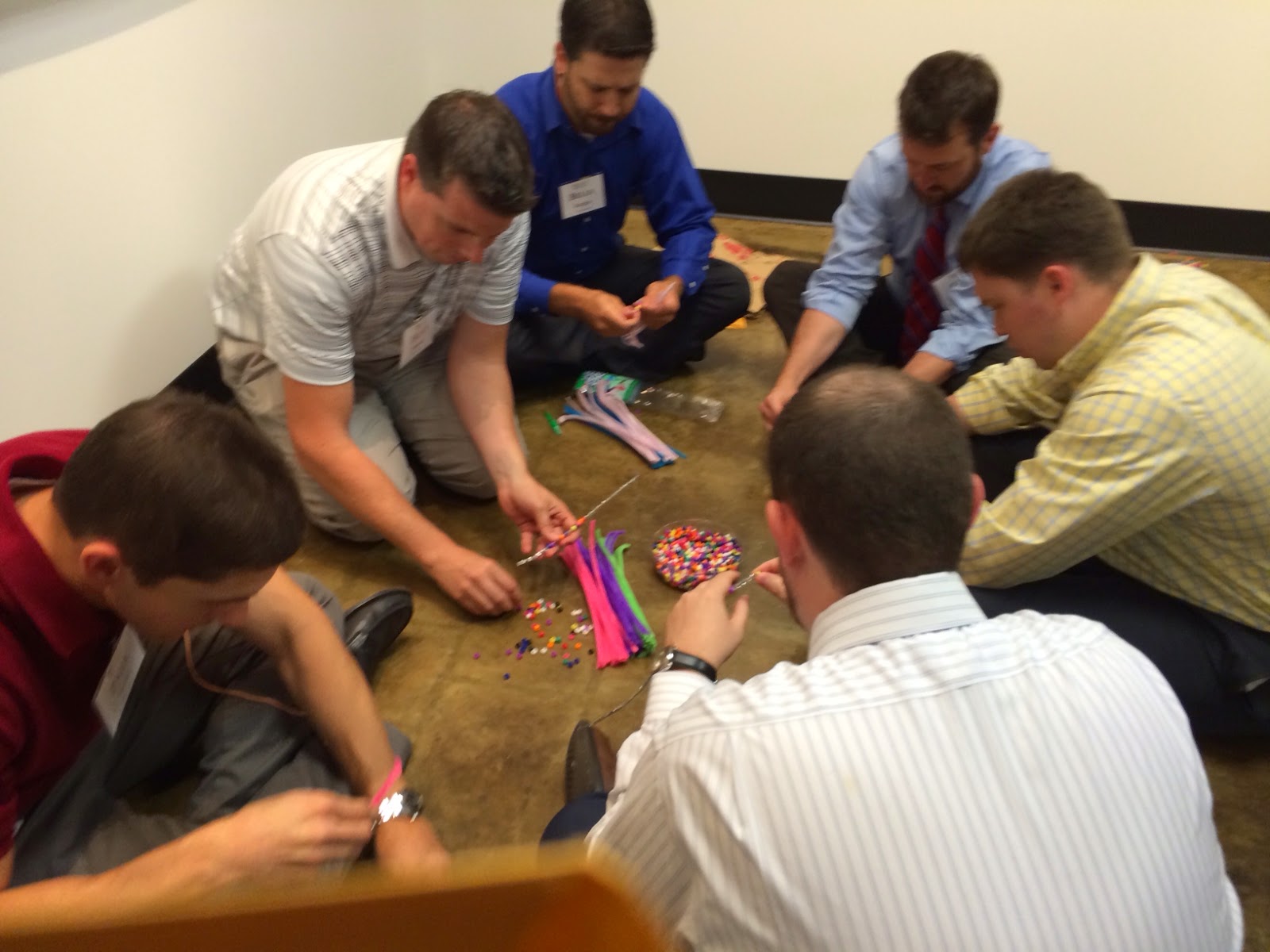
I was recently in Charlotte working with Leaders Under 40 – The Community Building Initiative’s group, whose goal is Connecting Across Difference. We used art as a creative tool to explore borders in our session. (August 28, 2014)

Here are a few images of our border simulation. It helped us begin to understand the politics and realities of the U.S.-Mexico border in a more personal way.

Leaders Under 40

Connecting Across Difference to Lead & Serve.

As part of Community Building Initiative’s mission to increase the capacity and commitment of individuals and organizations to work for change, CBI itself is committed to convening groups of leaders interested in creating a more just, more inclusive community.

Leaders Under 40 (LU40) engages influential professionals and emerging community leaders who want to explore the building of connections across difference, learn more about our community and real-time community issues and have opportunities to connect with established leaders in Charlotte-Mecklenburg.

The goal of LU40 is to convene an inclusive, cross-sector group of participants that reflect diversity across race, ethnicity, national origin, gender, sexual orientation, religion, time in Charlotte-Mecklenburg, employment, background and perspective and to support them to become leaders for inclusion and equity in our increasingly diverse and changing community.