Return to the Negev Desert

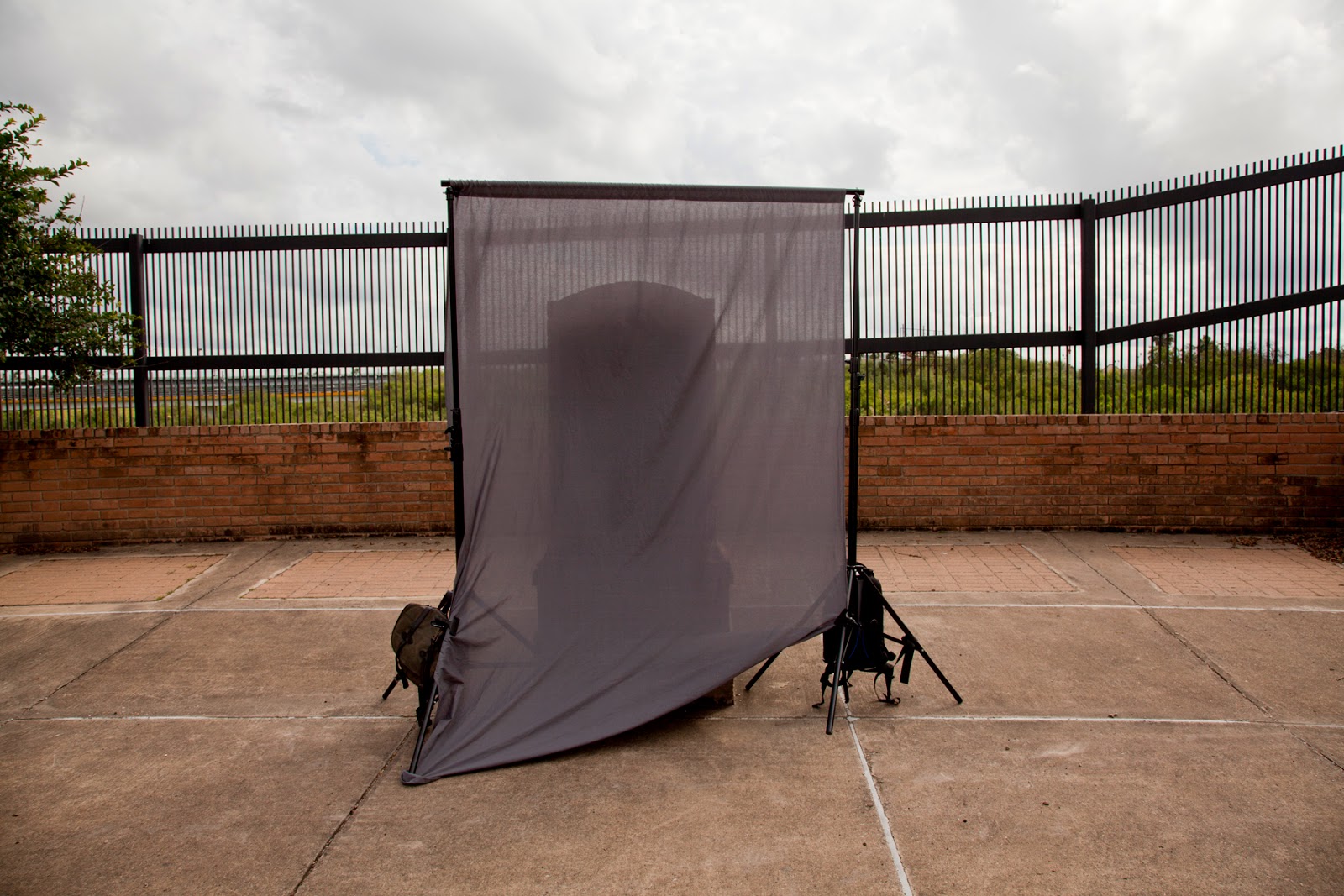
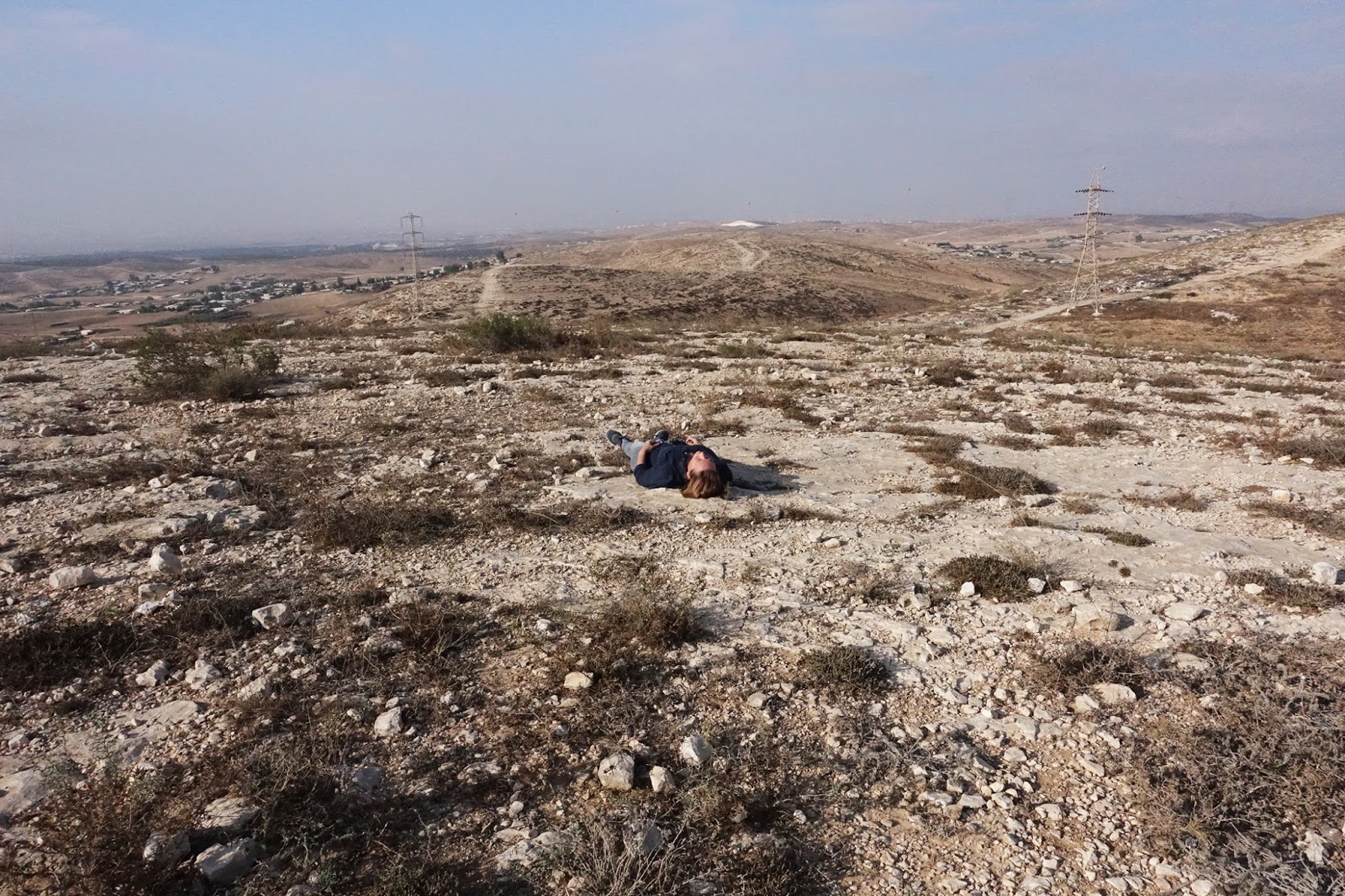
A Small Protest, Lakiya, Negev Desert, 2015, Susan Harbage Page

<!– /* Font Definitions */ @font-face {font-family:Arial; panose-1:2 11 6 4 2 2 2 2 2 4; mso-font-charset:0; mso-generic-font-family:auto; mso-font-pitch:variable; mso-font-signature:-536859905 -1073711037 9 0 511 0;} @font-face {font-family:Arial; panose-1:2 11 6 4 2 2 2 2 2 4; mso-font-charset:0; mso-generic-font-family:auto; mso-font-pitch:variable; mso-font-signature:-536859905 -1073711037 9 0 511 0;} /* Style Definitions */ p.MsoNormal, li.MsoNormal, div.MsoNormal {mso-style-unhide:no; mso-style-qformat:yes; mso-style-parent:""; margin:0in; margin-bottom:.0001pt; mso-pagination:widow-orphan; font-size:12.0pt; font-family:Arial; mso-fareast-font-family:"Times New Roman";} .MsoChpDefault {mso-style-type:export-only; mso-default-props:yes; font-size:10.0pt; mso-ansi-font-size:10.0pt; mso-bidi-font-size:10.0pt;} @page WordSection1 {size:8.5in 11.0in; margin:1.0in 1.25in 1.0in 1.25in; mso-header-margin:.5in; mso-footer-margin:.5in; mso-paper-source:0;} div.WordSection1 {page:WordSection1;}

–>

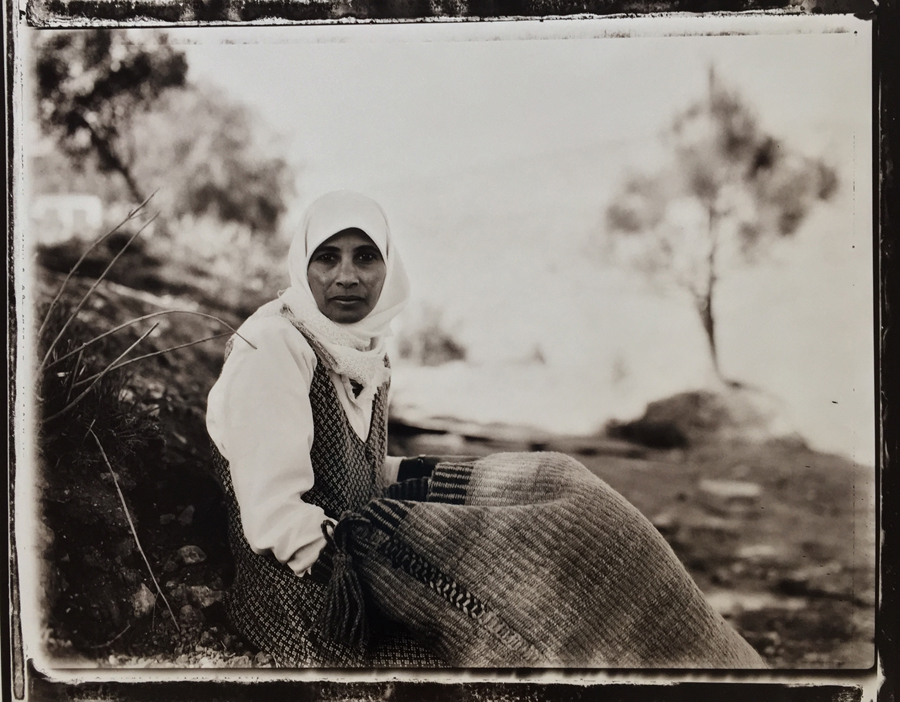
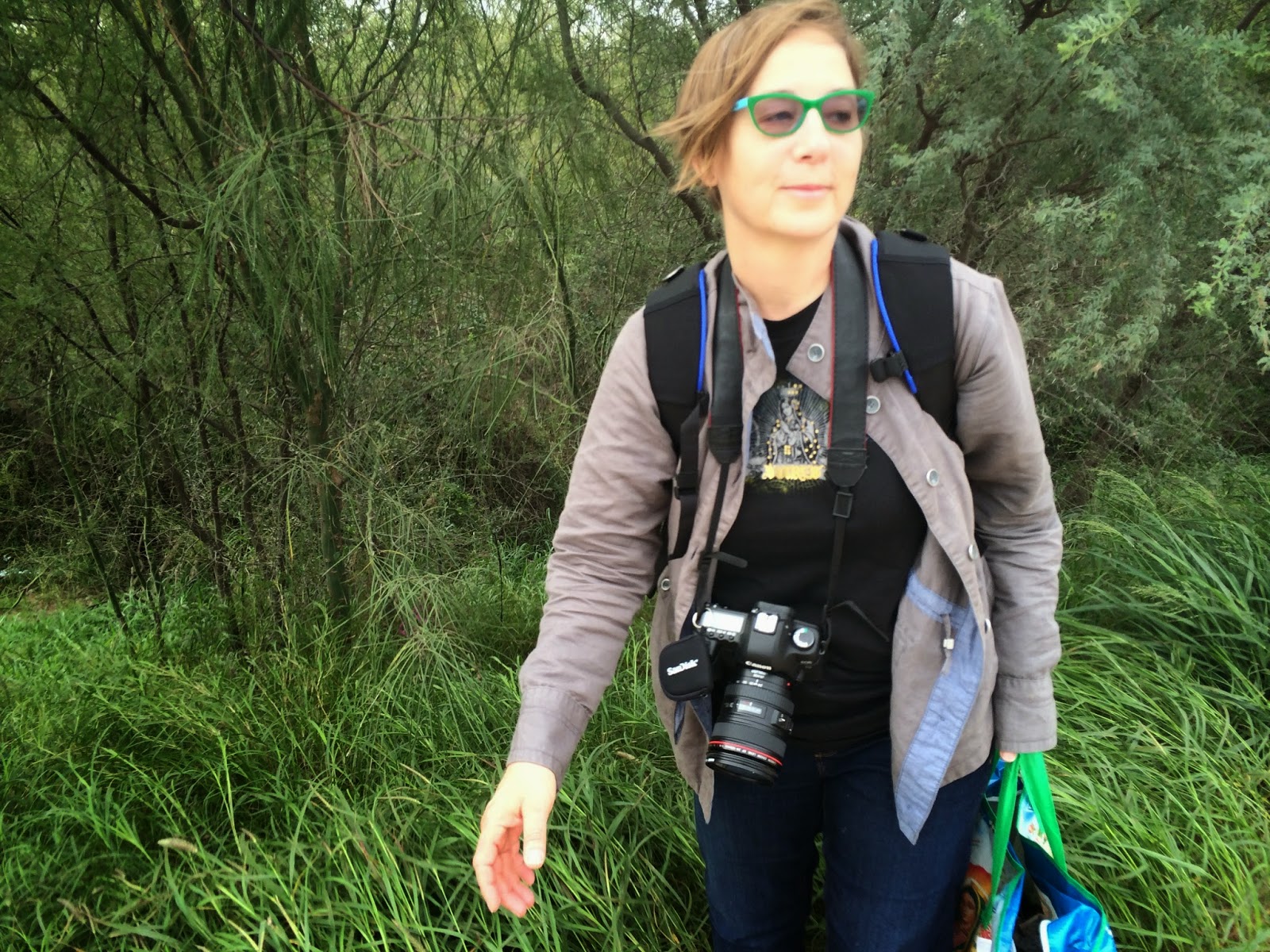
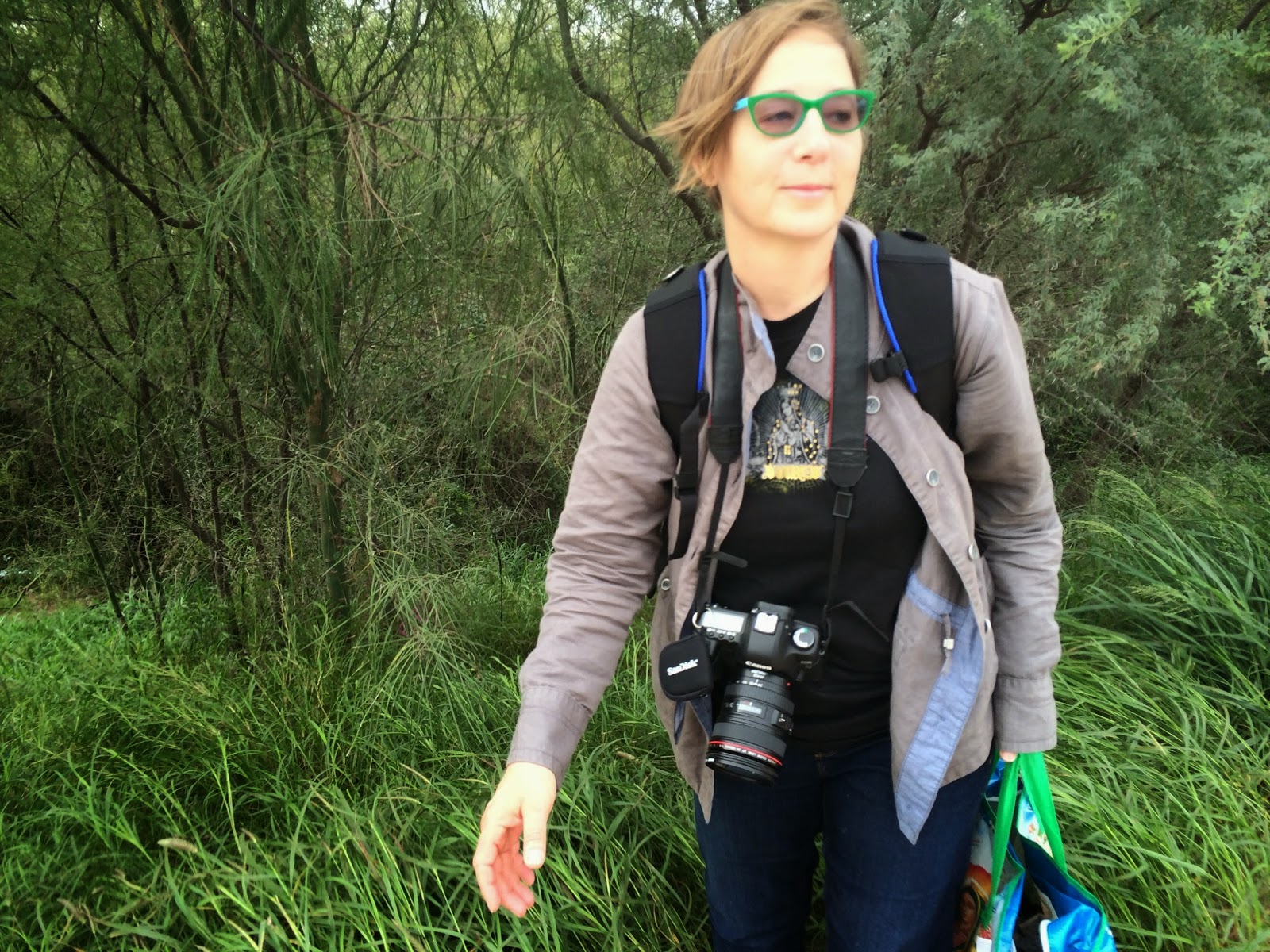
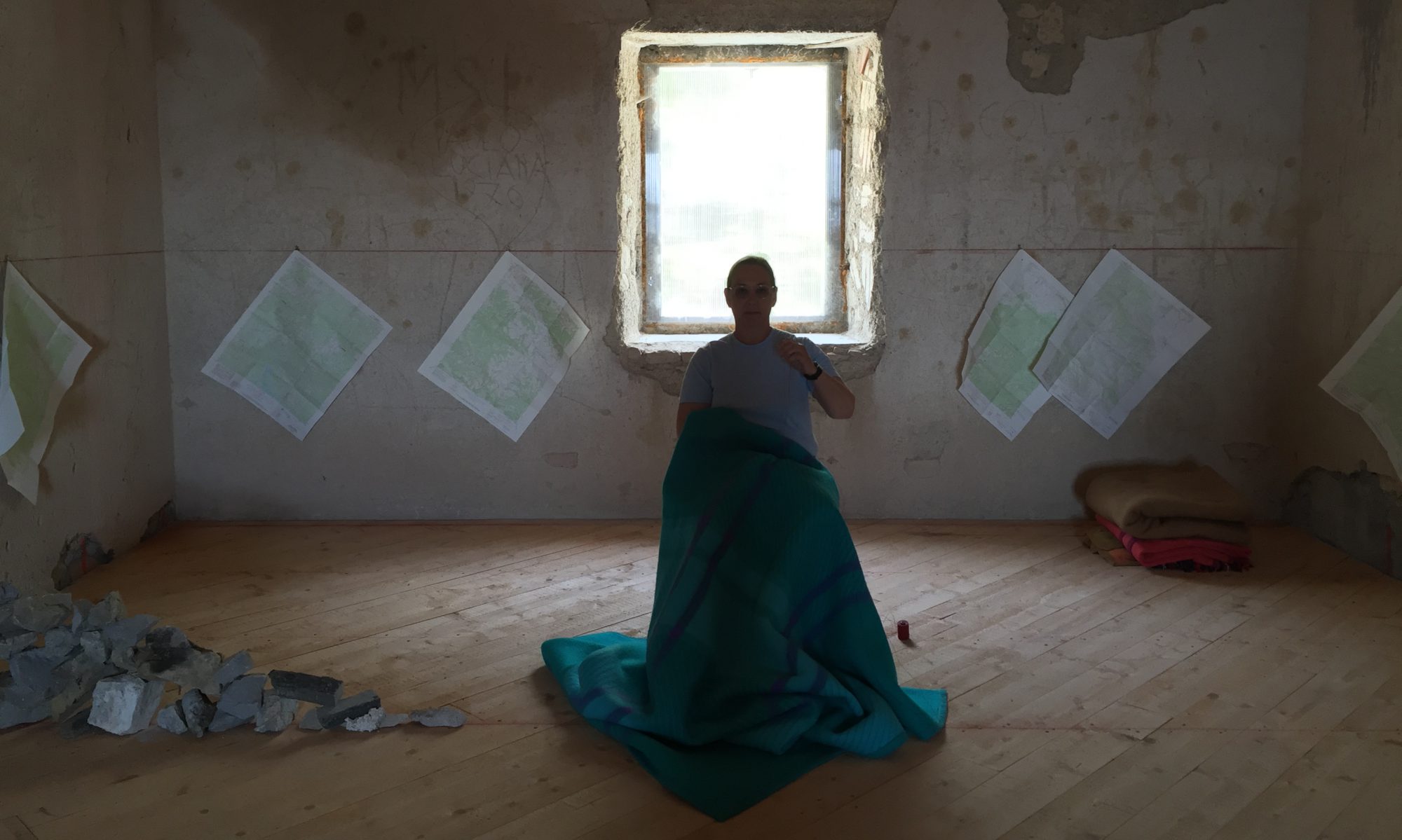
In 1996 I spent two months making audio recordings and photographs with women weavers in Lakiya, Israel, a community “officially” founded in 1985 as part of an Israeli government project to stabilize Bedouins in permanent settlements. My work explored issues of belonging, empowerment, community, religion, and borders. It was a remarkable opportunity. Now, nearly twenty years later,  I returned to Lakiya for a community celebration earlier this month. Returning to this village allowed me to experience and document the many changes in housing, the status of women, access to clean water and labor that have occurred in this border community.
 
My first visit to Lakiya was supported by a fellowship from the North Carolina Arts Council. My collection of photographs of the women’s weaving project from that visit in 1996 was titled “Almost Invisible.” The pictures were exhibited across the state at the Asheville Museum of Art, in Charlotte at The Light Factory Photographic Arts Center, in Greenville at East Carolina University, and in Raleigh at North Carolina State University. These photographs have also been collected by museums across the county including the Baltimore Museum of Art, Maryland and the High Museum of Art, Atlanta. My photographs from the project were awarded second prize in the Bernice Abbott International Competition for Women in Documentary Photography and selected for publication in 2000 in Women in Documentary Photography Now.  

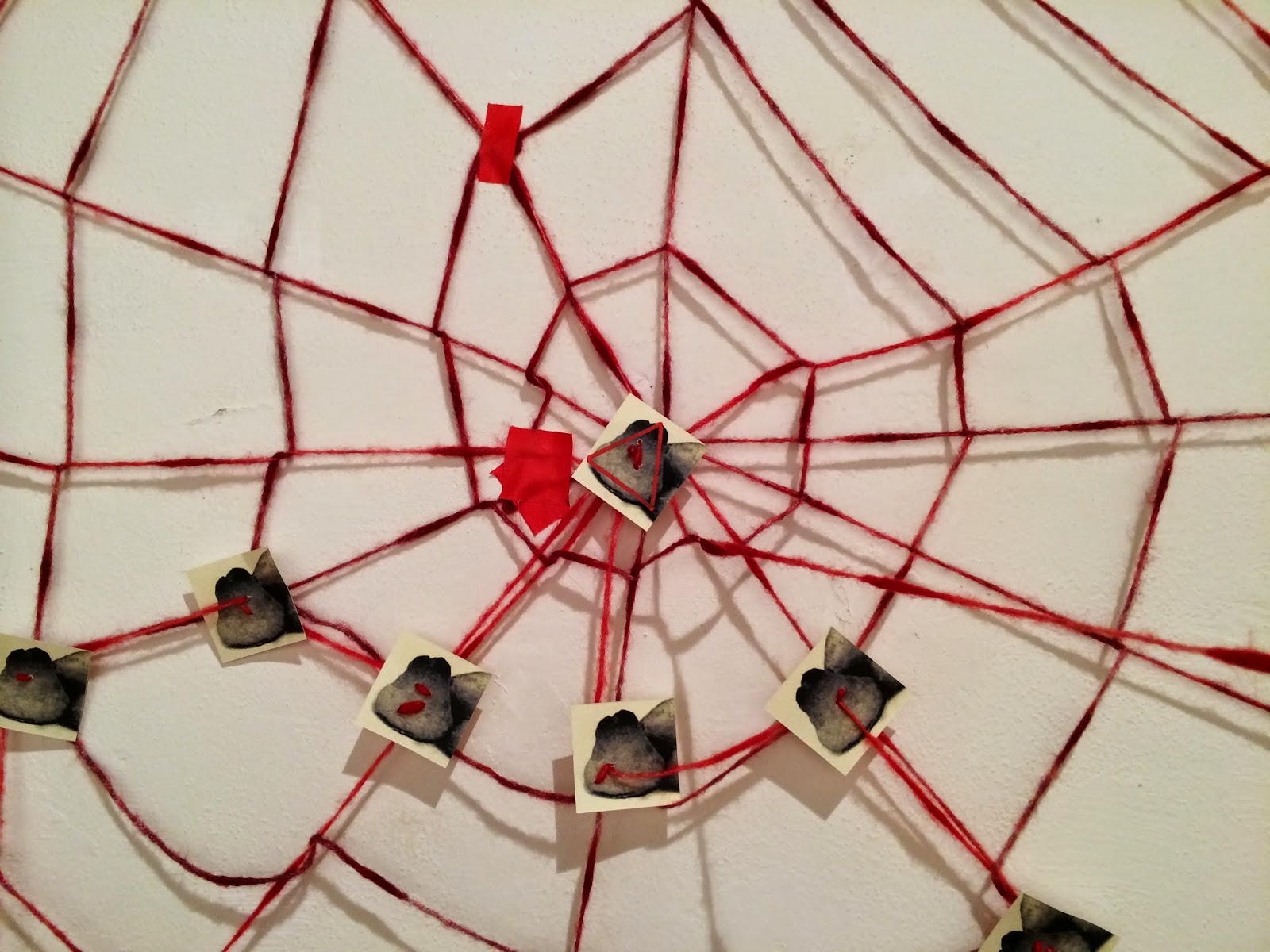
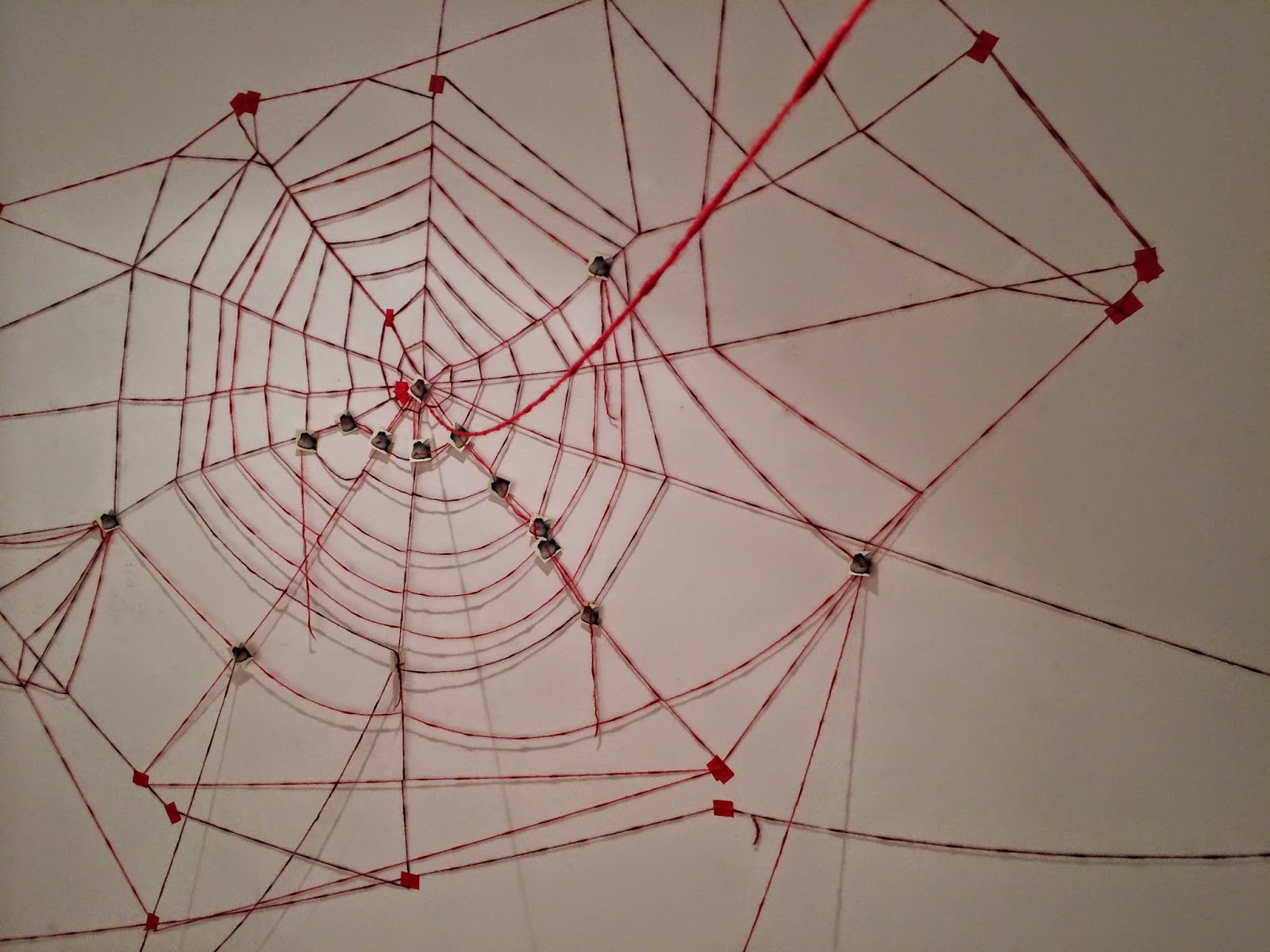
Here’s a photo from 1996. And the photo above is a small protest I did in support of the Bedouin Community and how they have been treated.

Zenab Al’Sannah, Lakiya, Negev Desert, 1996, Susan Harbage Page


Diversity Matters

Diversity Matters

Monday, July 20
Carolinas HealthCare System’s Office of Diversity and Inclusion hosted a moderated conversation at the McColl Center as part of its First Responder Series, which explores issues “that threaten to disrupt or adversely impact trust and the emotional health of our community.” Last night’s topic was Diversity Matters: The Charleston 9 – Confederate Battle Flag.

 <img alt="" height="240" src="data:
Moderated by CHS Chief Diversity Officer Dr. James Taylor, the conversation featured distinguished speakers followed by segments of open forum with the audience. Speakers included:
Susan Harbage Page, a visual artist whose work explores immigration, race, gender and nation
Debbie Dills and Todd Frady, the florist from Shelby who spotted Charleston shooter Dylann Roof, and her boss who was on the phone with her as she raced 80mph behind Roof to capture his tag number for police, which led to his arrest
Senator Malcolm Graham, District 40 representative in the North Carolina Senate whose sister Cynthia Hurd was murdered by Dylann Roof at Emanuel African Methodist Episcopal Church in Charleston
Tom Hanchett, staff historian at the Levine Museum of the New South and revered as “the keeper of Charlotte’s past“


http://www.charlotteagenda.com/10505/diversity-matters-a-community-dialogue-about-the-charleston-9-and-the-confederate-flag/

Twist Conference for Women in Leadership – Mccoll School of Buisness

Relationship-Driven Leadership: People, Networks and Community

Tapping into the natural ability of women to engage the workforce and boost the bottom-line.

Conference March 25 – 27, 2015

A Conference with a TWIST –
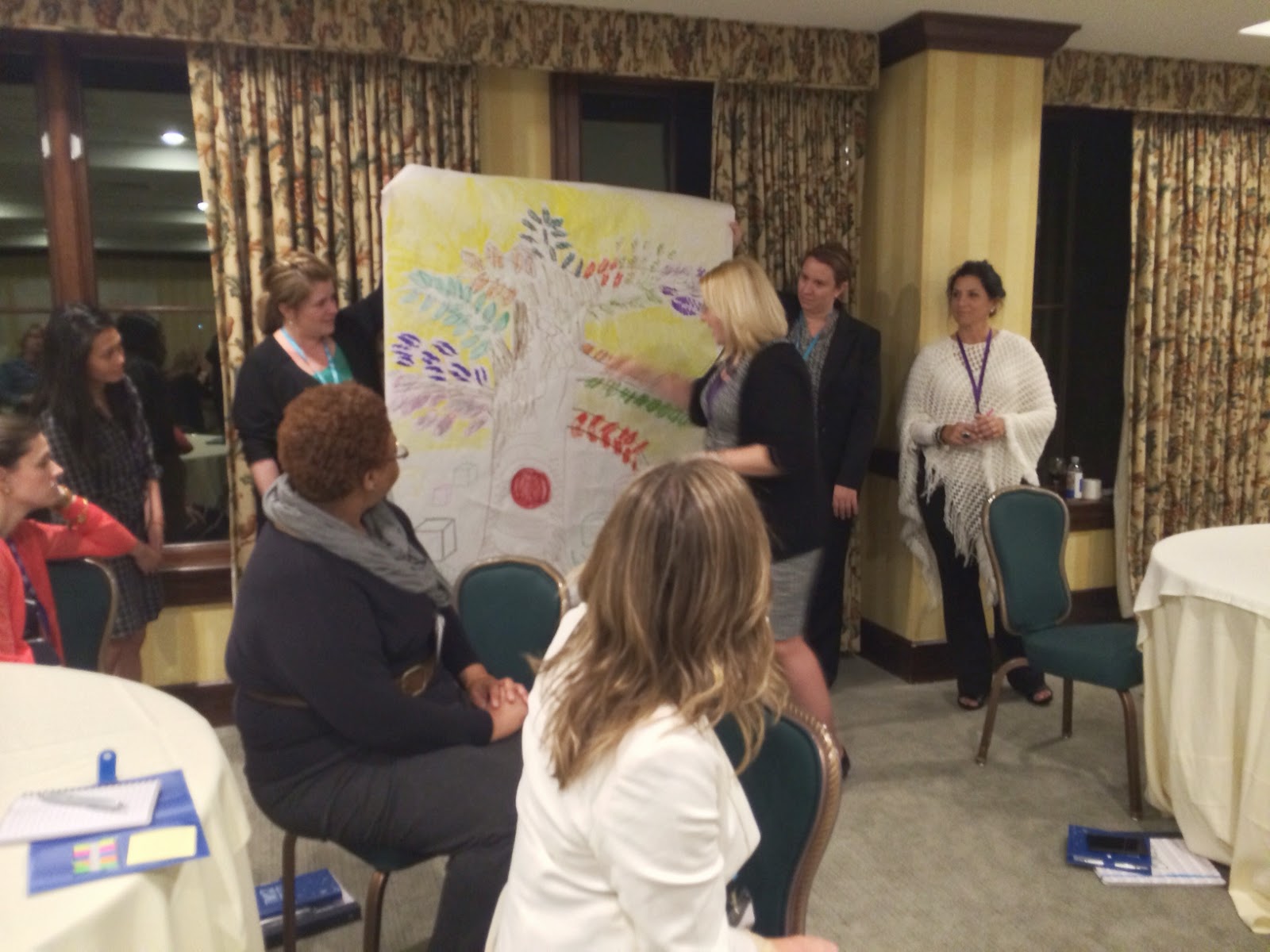
TWIST Is not your usual conference with concurrent tracks, breakout sessions, and big anonymous hotel ballrooms. The TWIST Conference for Women in Leadership causes powerful change. Join a diverse group of high potential women leaders and superb faculty members from the McColl School of Business for the TWIST Conference.

Susan Harbage Page – <!– /* Font Definitions */ @font-face {font-family:Times; panose-1:2 0 5 0 0 0 0 0 0 0; mso-font-charset:0; mso-generic-font-family:auto; mso-font-pitch:variable; mso-font-signature:3 0 0 0 1 0;} @font-face {font-family:Times; panose-1:2 0 5 0 0 0 0 0 0 0; mso-font-charset:0; mso-generic-font-family:auto; mso-font-pitch:variable; mso-font-signature:3 0 0 0 1 0;} /* Style Definitions */ p.MsoNormal, li.MsoNormal, div.MsoNormal {mso-style-unhide:no; mso-style-qformat:yes; mso-style-parent:""; margin:0in; margin-bottom:.0001pt; mso-pagination:widow-orphan; font-size:12.0pt; mso-bidi-font-size:10.0pt; font-family:Times; mso-fareast-font-family:Times; mso-bidi-font-family:"Times New Roman";} .MsoChpDefault {mso-style-type:export-only; mso-default-props:yes; font-size:10.0pt; mso-ansi-font-size:10.0pt; mso-bidi-font-size:10.0pt; font-family:Times; mso-ascii-font-family:Times; mso-fareast-font-family:Times; mso-hansi-font-family:Times;} @page WordSection1 {size:8.5in 11.0in; margin:1.0in 1.25in 1.0in 1.25in; mso-header-margin:.5in; mso-footer-margin:.5in; mso-paper-source:0;} div.WordSection1 {page:WordSection1;}Session on Artistic Exploration of Borders and Assumptions with the  Innovation Institute

McColl School of Business, Queens University, Charlotte, North Carolina, March 26

Anti-Archive fromt he U.S.–Mexico Border Project

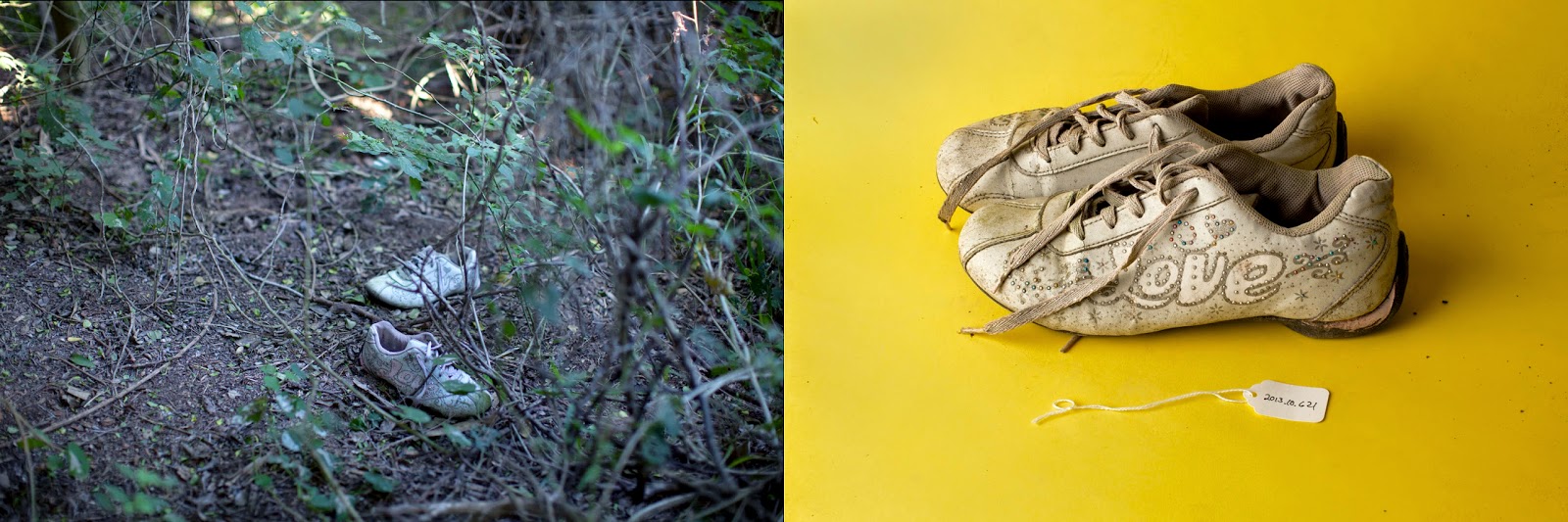
Love Shoes, Hidalgo, Texas, December 2013, Anti Archive
from the U.S._Mexico Border Project, Susan Harbage Page

<!– /* Font Definitions */ @font-face {font-family:"MS 明朝"; panose-1:0 0 0 0 0 0 0 0 0 0; mso-font-charset:128; mso-generic-font-family:roman; mso-font-format:other; mso-font-pitch:fixed; mso-font-signature:1 134676480 16 0 131072 0;} @font-face {font-family:"MS 明朝"; panose-1:0 0 0 0 0 0 0 0 0 0; mso-font-charset:128; mso-generic-font-family:roman; mso-font-format:other; mso-font-pitch:fixed; mso-font-signature:1 134676480 16 0 131072 0;} @font-face {font-family:Cambria; panose-1:2 4 5 3 5 4 6 3 2 4; mso-font-charset:0; mso-generic-font-family:auto; mso-font-pitch:variable; mso-font-signature:3 0 0 0 1 0;} /* Style Definitions */ p.MsoNormal, li.MsoNormal, div.MsoNormal {mso-style-unhide:no; mso-style-qformat:yes; mso-style-parent:""; margin:0in; margin-bottom:.0001pt; mso-pagination:widow-orphan; font-size:12.0pt; font-family:Cambria; mso-fareast-font-family:"MS 明朝"; mso-bidi-font-family:"Times New Roman";} .MsoChpDefault {mso-style-type:export-only; mso-default-props:yes; font-size:10.0pt; mso-ansi-font-size:10.0pt; mso-bidi-font-size:10.0pt; font-family:Cambria; mso-ascii-font-family:Cambria; mso-fareast-font-family:"MS 明朝"; mso-hansi-font-family:Cambria;} @page WordSection1 {size:8.5in 11.0in; margin:1.0in 1.25in 1.0in 1.25in; mso-header-margin:.5in; mso-footer-margin:.5in; mso-paper-source:0;} div.WordSection1 {page:WordSection1;}

For eight years I have documented and collected objects from the U.S.–Mexico Border, creating an “Anti-Archive” that challenges who is worthy of documentation, attention, and remembrance. My work on the border—a geopolitical flash point in which contested bodies (race), contested statuses (refugee vs. “illegal”), and contested histories are bound together—is a witnessing that serves its purpose only if others witness it in turn.

In 2007 I began making yearly trips/pilgrimages to photograph objects left behind by undocumented migrants crossing the U.S–Mexico border between Matamoros, Mexico, and Brownsville, Texas, and west to Laredo and Eagle Pass, Texas. As Gloria Anzaldua says in her groundbreaking book Borderlands La Frontera: The New Mestiza, “The U.S.–Mexican border es una herida abierta where the Third World grates against the first and bleeds. And before a scab forms it hemorrhages again, the life blood of two worlds merging to form a third country—a border culture” (p. 25). This Border Culture and the space in-between is central to this project, which takes an ever-evolving imagined space and concretizes it as a collection of specific objects, first as they are found in the landscape, then as they are archived, and, finally, as they are united in exhibitions. 
Susan Harbage Page 


Opening Reception: Light 4 – Celebrating Four Years Friday, February 13, 2015 6:00pm 9:00pm

Opening Reception: Light 4 – Celebrating Four Years

  • Friday, February 13, 2015
  • 6:00pm 9:00pm
  • Join us for the opening reception of a show celebrating Light’s 4th Anniversary! Featuring work by Katherine Armacost, Béatrice Coron, Lynda Curry, Jimmy Fountain, Marguerite Jay Gignoux, Roger Haile, Susan Harbage Paige, Kaola Phoenix, and Leigh Suggs. Show runs through Saturday, March 21st.
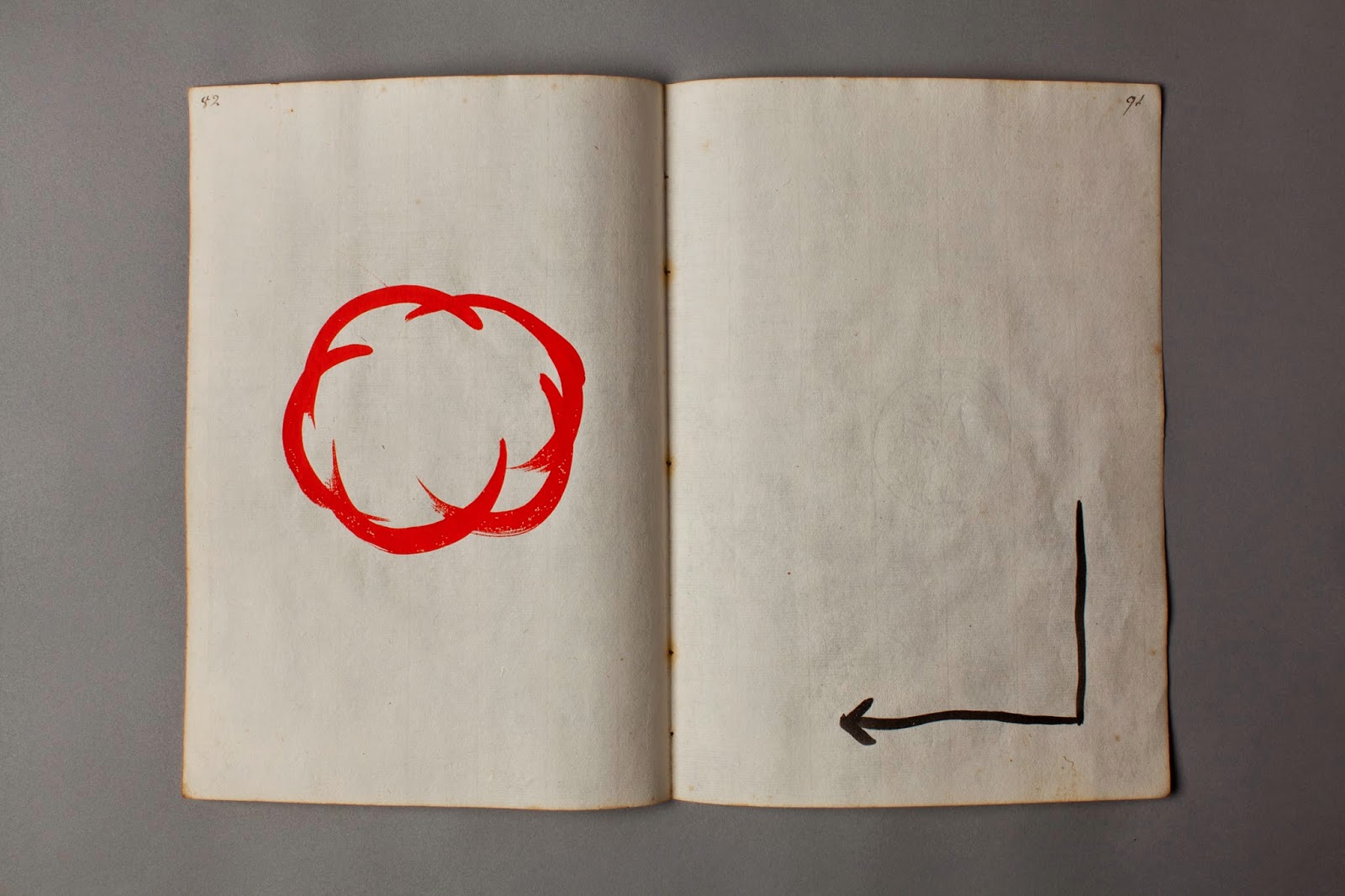
Nuove Considerazioni, Guache on Antique Italian Paper, 2014, Susan Harbage Page

Exhibition at Light Art + Design
http://www.lightartdesign.com/upcoming-events/

Carolina Women’s Center Announces Faculty Scholars

CWC ANNOUNCES 2014-2015 FACULTY SCHOLARS
Susan Harbage Page


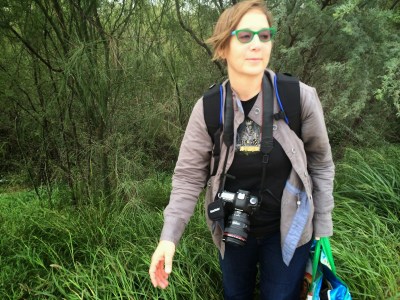
Chapel Hill, N.C. (September 22, 2014) – The Carolina Women’s Center at the University of North Carolina at Chapel Hill is proud to announce its Faculty Scholars for the 2014–2015 academic year.  Dr. Joanne Hershfield and Susan Harbage Page from Women’s and Gender Studies department and Dr. Mary H. Palmer from the School of Nursing will use their funding to undertake projects that reflect the mission of the Center.

More info here:

Carolina Women’s Center
http://womenscenter.unc.edu/cwc-announces-2014-2015-faculty-scholars/

During Fall 2014, Joanne Hershfield will complete “Planting the First Seed: Making a Home for Formerly Incarcerated Women,” a documentary film about Benevolence Farm in Alamance county, North Carolina. A newly established work and residential program for women leaving prison, Benevolence Farm will “provide an opportunity for women leaving prison to live and work on a farm where they grow food, nourish self, and foster community” and “to create a more equitable, just, and nurturing world for women and communities they transform.” Some of the funds from this award will be used to make “Planting the First Seed” available to people still in prison and to educational institutions in order to inspire conversations about what life after prison is and could be.  Hershfield is a professor and chair of the Women’s and Gender Studies department.

Susan Harbage Page’s project combines scholarship with creating an “Anti-Archive” of the objects—lipstick, a single sock, scraps of paper—that undocumented migrants leave in their wake as they cross the Mexico-U.S. border. “Testify[ing] to a life that has moved on, reminding
the viewer of what else may have been left behind,” these objects reveal the everyday and gendered lives of migrants. The project will culminate in “Objects from the Borderland,” a limited edition book that combines Harbage Page’s photographs with essays about the border’s political and cultural context. Funds from this award will contribute towards cataloguing and production costs. Harbage Page is an assistant professor in the Women’s and Gender Studies department.

Taking advantage of the medical field’s gradual recognition of the impact of sex difference on health-related behaviors and outcomes, Mary Happel Palmer’s project, “Enhancing Women’s Lives Through Bladder Health,” studies the long term consequences of women’s gendered social and cultural toileting behaviors (for example, “hovering” over a public toilet because of acculturated fears about dirt and disease). In addition to developing a “conceptual model” for understanding the behavioral and cultural influences on women’s bladder health, Palmer and her collaborator will revise a web-based questionnaire to better capture the behaviors of women from different age, ethnic and racial groups. Deeply collaborative, Palmer’s project also includes “providing a research training opportunity for a next generation scholar in women’s health.” Palmer is the Helen W. & Thomas L. Umphlet Distinguished Professor in Aging at the School of Nursing.
another Border as Backdrop

Thinking about how the border is often used as a backdrop for politicians to engage national issues of immigration and economics. My images emphasize not what has been put in in front of the backdrop by popular media outlets, but what is to the left of it, the right of it, far behind it. I purposefully leave it empty so the viewer is drawn to see the everyday space and landscape that is normally undifferentiated on our miniaturized backlit screens.

This is the backdrop in front of the brick historical marker at the start of the Chisholm Trail in Hope Park, Brownsville, Texas with the border wall behind it.